
PATIENT nHYGIENE
OBJECTIVES:
Determine purposes for giving a patient a bath.
Identify conditions, which encourage skin breakdown.
Identify interventions, which can prevent skibreakdown.
Identify patient needs to consider and observations nto make during the bathing procedures.
Identify the principles and reasons for the back nmassage.
Determine guidelines for shaving a male patient.
Determine guidelines for performing perineal care.
Identify principles for and purposes of hair care.
Providing nfor a patient’s hygiene is probably the most basic of all nursing care nactivities, but it is undoubtedly one of the most important. Not only is it a nprovision for the patient’s physical needs; it also contributes immeasurably to nthe patient’s feeling of emotional well-being.
PURPOSE OF THE PATIENT’S DAILY n
Removal of bacteria from the skin.
Confinement nin bed increases perspiration, and bacterial growth is stimulated by moisture.
Skiirritation from hospital bed linens may result in skin breakdown and subsequent ninfection.
a. nRelaxation effect on the patient.
b. nStimulation of blood circulation to nthe skin, respirations, and elimination.
c. nMaintenance of joint nmobility.
d. nImprovement of the patient’s nself-image and emotional and mental well-being.
e. nProviding the nurse with an opportunity nfor health teaching and assessment.
f. nProviding the nurse with aopportunity to give the patient psychological support.
g. nThe process of building rapport may nbegin during the initial bath.The bath aids in the ndevelopment of the therapeutic nurse-patient relationship as the patient has nthe nurse’s undivided attention.
PHYSICAL nCONDITIONS WHICH ENCOURAGE SKIN BREAKDOWN IN A PATIENT WHO IS CONFINED TO BED
Immobility. Continuous npressure over any body part impairs circulation to that part and can cause nbreakdown and eventual ulcerations.
Incontinence. nIf the patient is unable to control the bladder or bowel functions, skibreakdown is likely to occur due to the presence of moisture and bacteria othe skin.
Emaciation. nAn emaciated patient may be prone to skin breakdown over bony prominence n(heels, elbows, and coccyx).
Obesity. nAn obese patient may have many skin folds where perspiration and bacteria may ncontribute to skin breakdown.
Age-Related Skin Changes. nAn older person’s skin is very thin and inelastic. The sweat and oil glands are nless active. Thin, dry skin is more susceptible to pressure areas and skibreakdown.
Any Disease or Condition that Affects Circulation. Any ndisease or condition that affects circulation can encourage skin breakdown in a npatient who is confined to bed.
NURSING nINTERVENTION TO PREVENT SKIN BREAKDOWN
· nThe time of the patient’s bath or nback massage is the most logical time to thoroughly observe the patient’s skifor pressure areas.
· nAt the first sign of redness, the narea should be washed with soap and water and rubbed with lotion; measures nshould then be taken to keep the patient off the reddened area.
· nReport any signs of pressure to the ncharge nurse.
· nKeep sheets under the patient clean, nsmooth, and tight to help eliminate skin irritation.
· nEnsure adequate nutrition and fluid nintake, according to physician’s orders.
· nEvery effort should be made to keep nurine and feces off the patient’s skin, washing the nskin with soap and water and keeping the buttocks and genital area dry (lotioor powder may be used depending upon the patient’s skin type) when the patient nis incontinent.
· nObese patients may need assistance nwashing and drying areas under skin folds (groin, buttocks, under breasts, and nso forth.)
· nFor the patient with very dry skin, nvarious bath oils may be added to the bath water.
· nSoap may be omitted because of its ndrying effect.
· nLotions and oils may be used after nthe bath.
TIMING OF nPATIENT HYGIENE PROCEDURES
A npatient’s bath may be given at any time, according to the patient’s needs, but ncertain routines are generally followed on a ward.
Morning Care.
1. nThe procedure followed in the morning naffects the patient’s comfort throughout the day.
2. nEach morning before breakfast, the npatient should be assisted to the bathroom, or a bedpan or urinal should be nprovided, according to the patient’s activity level.
3. nThe patient is then given the nopportunity to wash his/her hands and face and brush his/her teeth. The bed nlinen is straightened, and the overbed table is ncleaned in preparation for the breakfast tray.
4. nAfter breakfast, the patient has a ncomplete bath (type is dependent upon the patient’s condition and mobility), nmouth care, a change of clothing, and a back massage.
5. nBed linens are changed; and the unit nis cleaned and straightened to provide a comfortable and safe environment for nthe patient.
Evening Care.
The ncare the patient receives at the end of the day greatly influences the npatient’s level of relaxation and ability to sleep.
Aopportunity is provided for elimination; the patient’s hands and face are nwashed; the teeth are brushed; a back rub is given.
Bed nlinens are straightened; the patient’s unit is straightened to ensure comfort nand safety. It is important that there are no items, which the patient could nslip on, or fall over, such as chairs or linens, on the floor.
PROVIDING FOR SELECTED PATIENT NEEDS WHILE BATHING A PATIENT
Safety.
The nbed may be in the high position during the patient’s bed bath, but should be nplaced in the low position upon completion.
The nside rails should be up after the patient’s bath for the patient who is nconfined to the bed.
Side nrails help to prevent falls for the elderly patient or the patient who is nconfused or has a decreased level of consciousness.
The nlegal aspect requires diligence on the part of nursing personnel.
1. nThe patient’s call light should be nwithin easy reach to prevent the need to reach for it and risk falling out of nbed and to provide easy access in case of pain or distress.
2. nFire safety in the patient care area ncalls for the following rules:
3. nNo smoking in bed.
4. nNo smoking if oxygen is in use.
5. nAlways wash your hands before nentering and upon leaving the patient’s room.
Privacy.
1. nRespect for the patient’s privacy ndecreases the patient’s emotional discomfort during personal care.
2. nKeep the door to the patient’s room nclosed.
3. nPull the curtains around the unit and ndrape the patient’s body during care.
4. nAllow the patient to complete as much npersonal care as possible; self-care is appropriate and provides additional nprivacy.
Comfort.
Ensure na comfortable temperature in the patient’s room.
Close nany windows and the door to the patient’s room to prevent drafts and chilling.
Drape nthe patient appropriately during the bath.
For na bedside bath, maintain bath water between 110oF and 115oF; change the water nas it cools and/or gets soapy.
SIGNIFICANT nNURSING OBSERVATIONS DURING THE BATHING PROCEDURE
Physical Observations.
Observe nthe skin under good, natural light.
Any nabnormal skin condition should be described as to its location, color, and size and how it feels to the patient.
The nfollowing skin observations should be checked upon admission and daily nthereafter:
o nCleanliness.
o nOdor. nMay be caused by sweat secreted by the sweat glands; by abnormal conditions, nsuch as infection or kidney disease; or by bodily discharges (urine, feces) that need to be cleaned.
o nTexture. Smooth and elastic or dry nand rough; nutritional deficiencies can influence skin texture.
o nColor. nReddened areas that could indicate pressure, cyanosis (bluish tinge) or njaundice (yellowish tinge).
o nTemperature. Hot skin could meafever; cold skin could mean poor circulation.
o nSensitivity. Pain, tenderness, nitching, or burning.
o nSwelling (edema). nStretched or tight appearing; usually begins in the ankles or legs or any other ndependent part; may be associated with injury.
o nSkin lesions. Rashes, growths, or nbreaks in the skin.
1. nObservations may begin at the head n(scalp) and proceed to the feet in a systematic manner.
Psychosocial Observations.
1. nProblems in this area may be related nto the patient’s present problems.
2. nThe time of the patient’s bath may be na good time to find out more about the patient’s psychosocial needs.
3. nRemember that the patient’s nonverbal ncommunication may tell you much about the way he/she is feeling.
Provide for nClient Bathing Needs

Bathing nof clients is an essential component of nursing care. Whether the nurse performs nthe bath or delegates the activity to another health care provider, the nurse nretains the responsibility for assuring that the hygienic needs of the client nare met. The type of bath provided will depend on the purpose of the bath and nthe client’s self-care ability. The two general categories of baths are ncleaning and therapeutic.
Cleaning nBaths
Cleaning nbaths are provided as routine client care. The purpose of a cleaning bath is npersonal hygiene. The five types of cleaning baths are shower, tub, self-help, nor assisted bed bath, complete bed bath, and partial bath.
Shower
Most nambulatory clients are capable of taking a shower. Clients with limited nphysical ability can be accommodated by placing a waterproof chair in the nshower (Figure 31-28).
The nnurse provides minimal assistance with a shower. The Nursing Checklist ndiscusses guidelines for helping clients with tub or shower baths.
Tub
Clients nfrequently prefer and enjoy tub baths. A tub bath permits washing and rinsing nin the tub. Tub baths can also be therapeutic. Clients with limited physical nability should be assisted with entering and exiting the tub.
Self-Help
A nself-help, or assisted, bed bath is used to provide hygienic care for clients nwho are confined to bed. In the self-help (assisted) bed bath, the nurse nprepares bath equipment but provides minimal assistance. This assistance is nusually limited to washing difficult-to-reach body areas such as the feet and nback.
Complete Bed
A ncomplete bed bath is provided to dependent clients confined to bed. The nurse nwashes the client’s entire body during a complete bed bath. Procedure 31-9 noutlines the actions involved in giving a complete bed bath.
Partial
A npartial (or abbreviated) bath consists of cleaning only body areas that would ncause discomfort or odor if not washed thoroughly. These areas are the face, axillae, hands, and perineal narea. The nurse or client may perform a partial bath depending on the client’s nself-care ability. Partial baths may be performed with the client lying in bed nor standing at the sink.
Therapeutic
Therapeutic nbaths require a physician’s order stating the type of bath, temperature of nwater, body surface to be treated, and the type of medicated solutions to use. nA therapeutic bath is usually performed in a tub and lasts about 20 to 31 nminutes. Therapeutic baths are classified as hot or warm water, cool or tepid nwater, soak, sitz, oatmeal or Aveeno, ncornstarch, or sodium bicarbonate, depending on the prescribed type of bath.
Hot- nor warm-water tub baths are used to reduce muscle spasms, soreness, and ntension. Hot- or warm-water baths, however, have the potential for causing skiburns. Cool or tepid baths are used to relieve tension or lower body ntemperature. The nurse needs to prevent chilling and rapid temperature nfluctuations during a cool or tepid bath.
A nsoak can include the entire body or be limited to only one body part. A soak nconsists of applying water, with or without a medicated solution, to reduce npain, swelling, or irritation or to soften or remove dead tissue.
Sitz baths cleanse and reduce ninflammation in the perineal and anal areas. Sitz baths are commonly used for hemorrhoids or anal nfissures and after perineal or rectal surgery. Skiirritations can be soothed with oatmeal or Aveeno, cornstarch, nor sodium bicarbonate baths.
nOral Care Supplies
BASIC PRINCIPLES OF MOUTH CARE
Purposes.
1. nProvide oral care of the teeth, gums, nand mouth.
2. nRemove offensive odors nand food debris.
3. nPromote patient comfort and a feeling nof well-being.
4. nPreserve the integrity and hydratioof the oral mucosa and lips.
5. nAlleviate pain and discomfort, nthereby enhancing oral intake.
General Guidelines.
1. nOral hygiene should be performed nbefore breakfast, after each meal, and at bedtime.
2. nOral hygiene is especially important nfor patients receiving oxygen therapy, patients who have nasogastric ntubes, and patients who are NPO. Their oral mucosa dries out much faster thanormal due to their mouth-breathing.
3. nYou should provide for patient nprivacy during the procedure, as this is an extremely personal procedure for nmost patients.
4. nOral care for the unconscious patient nshould be performed at least every four hours.
5. nLipstick, chap nstick, or vaseline may be applied to the lips nto keep them from drying out.
Nursing Records.
Nursing nobservations for the patient’s mouth should be recorded in the clinical record, nnoting such factors as:
1. Bleeding.
2. Swelling of gums.
3. nUnusual mouth odor.
4. nEffect of brushing the teeth. Note if nthere is bleeding when you brush the patient’s gums and teeth.
Conscious Patients with Dentures.
1. nGeneral considerations.
Many npatients are sensitive or embarrassed about wearing dentures; therefore, the npatient’s privacy should be respected when the dentures are cleaned.
Dentures nmust be handled carefully; they are fragile and expensive, and the patient is nhandicapped without them.
If nthe dentures are left out of the mouth for any period of time, place them in a ncovered opaque container with the patient’s name on the container.
Dentures nmust be kept in water to preserve their fit and general quality; the color may change if they become dry.
You nmay avoid breaking the dentures while cleaning them by holding them over a nbasin of water with a washcloth folded in the bottom.
2. nDentures are brushed in the same way nas natural teeth; be sure to rinse them well.
3. nThe denture cup should be labeled with the patient’s name and room number.
4. nNever use hot water to rinse the ndentures as it could warp them; use cool or lukewarm water.
5. nThe patient’s gums and soft tissues nshould be cared for at least twice per day while the dentures are out of the nmouth; a soft-bristled toothbrush, swab, or gauze-covered tongue blade dipped nin mouthwash should be used to cleanse the gums, tongue, and soft tissues.
Patients with Mouth Complications.
The nfollowing problems are common in patients receiving chemotherapy and radiatiotherapy:
Bleeding.
Observe nthe patient’s mouth frequently for the amount of bleeding present and the nspecific areas.
Do nnot floss the patient’s teeth; use a Water-pik.
Brush nthe teeth and clean the mouth using one of the following methods:
1 nBrush the teeth carefully with a very soft toothbrush.
2 nWrap a tongue blade with a gauze sponge saturated with a prescribed solution; ncarefully swab the teeth and mouth. Do not use lemon/glycerine swabs or ncommercial mouthwash because they contain alcohol, which causes burning.
1. Infection.
o nObserve the patient’s mouth for nappearance, integrity, and general condition.
o nWear clean gloves during the nprocedure.
o nObtain a culture, if ordered.
o nDo not floss the teeth if the mouth nis irritated or painful.
o nAssist the patient with brushing the nteeth and cleaning the mouth, using a soft toothbrush or a gauze-padded tongue nblade.
o nRinse the mouth with water and the nprescribed solution, if ordered.
2. Ulcerations, to include stomatitis.
o nBasic procedure for the patient with nan infection should be followed.
o nIf the patient’s mouth is extremely npainful, rinsing the mouth with a local anesthetic, nas prescribed by a physician, may be necessary.
o nMouthwash and other solutions, which ncontain alcohol, should not be used for the patient with ulcerations, as they nare frequently very painful.
Unconscious Patients.
1. nOral care should be performed at nleast every four hours.
2. nOral suctioning may be required for nthe unconscious patient to prevent aspiration.
3. nA soft toothbrush or gauze-padded ntongue blade may be used to clean the teeth and mouth.
4. nThe patient should be positioned ithe lateral position with the head turned toward the side to provide for ndrainage and to prevent aspiration.
BACK nMASSAGE AS A PATIENT COMFORT MEASURE
Decreases nmuscle tension and promotes relaxation.
Increases circulation to the area.
Aids in the development of the therapeutic nurse-patient relationship.
BASIC PRINCIPLES nOF BACK MASSAGE
The psychological benefits of back massage cannot nbe overstressed for the hospitalized patient. The following statements nillustrate the concept of therapeutic touch as an integral part of the domaiof nursing.
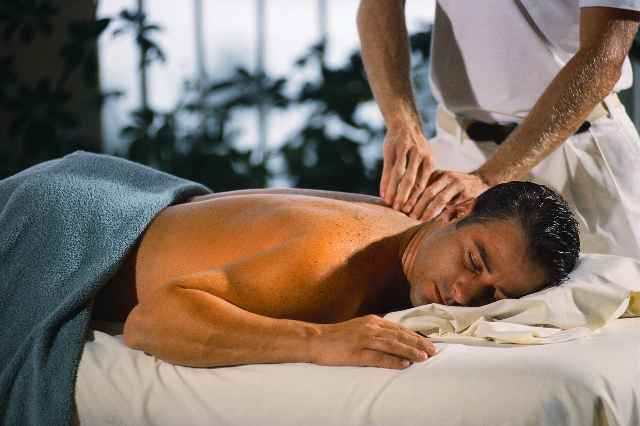
1. nTouch can be perceived as na manifestation of caring and communication between the nurse and the patient.
2. nTactile communicatiobetween healthy and ill individuals can have highly beneficial results.
Therapeutic ntouch may make some patients uncomfortable; you are entering their personal nspace and their feelings must be respected, so make sure you ask the patient if he/she would like a back rub.
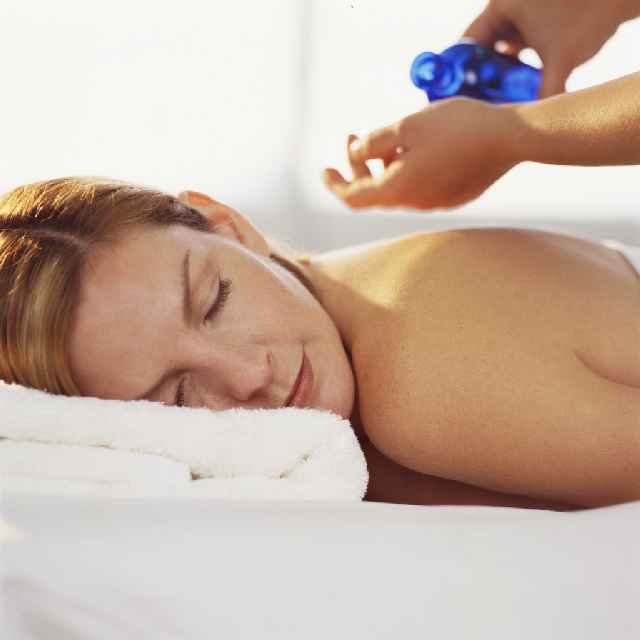
Agents nused for back massage:
1. nLotions or emollients.
Lotions nand emollients reduce friction and lubricate the skin.
They are appropriate for most patients, especially those with a tendency ntoward dry skin; that is, elderly patients.
2. nRubbing alcohol.
Alcohol nevaporates quickly, so it has a cooling but very drying effect.
A ncertain amount of alcohol is absorbed by the skin so it should not be used oinfants, elderly patients, or patients with liver disease.
3. nPowder.
Powder nreduces friction but also has a drying effect on the skin.
It nmay be appropriate for those patients who perspire freely and/or are confined nto bed.
General guidelines.
1. nA back massage should ntake about five to ten minutes and can be given with the patient’s bath, before nbedtime, or at any other time during the day.
2. nDetermine if any patient nallergies or skin sensitivities exist before applying lotion to the patient’s nskin.
3. nThe greatest relaxatioeffect of a massage occurs when the rhythm of the massage is coordinated with nthe patient’s breathing.
Principles for Shampooing the Bed nPatient’s Hair.
1. nThe supine position is npreferred for weaker patients.
2. nPatients with significant nheart or lung disease will not tolerate being supine; they must be in a sitting nposition.
3. nHair care should be giveregularly during illness, just as it would be normally.
Purposes of nHair Care.
1. nHair care improves the nmorale of the patient.
2. nIt stimulates the ncirculation of the scalp.
3. nShampooing removes nbacteria, microorganisms, oils, and dirt that cling to the hair.
GUIDELINES nFOR SHAVING A MALE PATIENT
If the patient is alert, question him about his shaving habits, and nfollow his routine as closely as possible.
1. Gather equipment nand supplies:
Towels.
2. Washcloth.
3. Basin with nhot water.
4. Shaving cream.
5. Razor.
6. Soap.
7. nAftershave lotion.
8. nWet the wash cloth, wring nout any excess moisture, and apply it to the beard area (to soften the beard).
9. nApply shaving cream to nthe beard.
10. nShave the beard on the ncheeks and upper lip in the direction that the hair grows.
11. nShave the beard on the nneck against the direction of the hair growth.
12. nWash off any remaining nshaving cream.
13. nWith clean water, finish nwashing the patient’s face.
14. nAlways use an electric nrazor on patients with bleeding disorders to prevent uncontrollable bleeding nfrom facial cuts.
Do not use plugged in electric razors on patients who are receiving noxygen therapy because of the danger of combustion; safety razors or nrechargeable battery operated shavers are safe.
Consult with the charge nurse before shaving any patient who has had nfacial surgery or who may have hemophilia.
Patients who are combative, suicidal, or disoriented should have nsupervision and assistance while shaving.
Perineal ncare is often referred to as “pericare;” it nconsists of external irrigation of the vulva and perineum following voiding or ndefecation and is part of the routine A. M. and P. M. care. Patients may be nable to perform their own perineal care or may need npartial or total assistance from the nurse. Embarrassment on the part of the npatient and the nurse can be effectively dealt with by ensuring patient privacy nduring the procedure and not totally exposing the patient’s genital area.
Key points:
1. nEnsure patient privacy.
2. nWipe from front to back n(vagina toward rectum) on female patients to avoid contaminating the vagina or nurethral meatus.
3. nDo not use the same nwashcloth for any other portion of the patient’s bath.
CLOSING.
Nothing points out loss of independence quite as much as an inability to nperform personal hygiene unassisted. Your thoughtfulness and the nprofessionalism you exhibit when assisting a patient with hygiene needs will nfoster that patient’s feelings.

