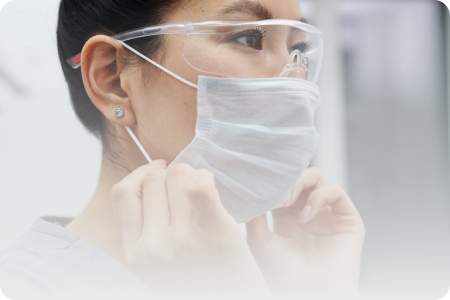
PROFESSIONAL ACTIONS OF A NURSE CONCERNING TO SUPPLY OF DIAGNOSTICS AND TREATMENT OF A PATIENT IN THERAPEUTICAL DEPARTMENT
Preparation of patients for examination of digestive tract (gastroscopy, rectoromanoscopy, colonoscopy, ultrasound and X-ray examination of organs of abdominal cavity. Main types of enemas and rules of their usage.
Taking samples for investigation (collection of sputum, taking feces of ova of helmints as well as for scant blood, coprogram. Taking urine for investigations according to Zymnitsky’s and Addis-Kakovsky’s methods.
Preparation of patients for stomach and duodenal probing. Stomach cleansing. Taking stomach washings for investigations.
Care of patients with gastrointestinal diseases
The main complaints of the patients with gastrointestinal diseases are pain in the abdomen, nausea, vomiting, hemorrhage, diarrhoea, obstipation, meteorism.
Complaints of patients with diseases of the digestive system are quite varied and depend on the part of the digestive tract that is pathologically affected.
Patients with affections of the stomach complain of poor appetite, regurgitation, heartburn, nausea, vomiting, abdominal pain, and bleeding.
Care of the vomiting patient
A nurse should remember, that vomiting is a sigot only of a disease of the stomach, but also many other diseases. The reasons for vomiting could be:
– exacerbation of a peptic ulcer of a stomach and ulcer of duodenum;
– acute pancreatitis;
– poisoning with substandard nutrition;
– insult;
– hypertonic crisis;
– tumor of a brain.
In the occurrence of vomiting in the patient, it is necessary to immediately inform the doctor, to note the time of occurrence of vomiting and the character of the vomit.
Mostly vomit corresponds to the character of food eaten before, the particles of which are in different stages of digestion and have an acidic smell. In a long-term delay of nutrition to the stomach, its contents are decayed and a putrefactive smell occurs. With vomiting on an empty stomach, vomit is colored with bile, because it enters from the duodenum. After vomiting, from a central origin, relief as a rule does not come. Frequently repeated vomiting results in a dehydration and cachexia.
The most serious complication of vomiting is aspiration with gastric contents, that can lead to the reflex of stopping respiration and development of respiratory pneumonia.
The patient’s condition permitting, he should sit on the side of the bed with his feet on the floor. A basin should be placed between his feet.

Care of the vomiting patient
It is necessary to take out tooth prostheses, to cover his breast and knees with an apron (oil-cloth, towel) and to support the head of the patient.
If the gravity of his condition does not allow the patient to sit, it is necessary to lay the patient down on one side, the head of the patient should be turned down from his bed; to put an oil-cloth and a piece of a sheet under the head. After vomiting it is necessary to give the patient some water to rinse his mouth cavity. For termination (discontinuance) of vomiting, it is possible to give the patient mint drops, slightly cold acid water, 0,5 % a solution of Novocainum.
Assisting of patient during vomiting
In some cases (poisoning, infectious diseases) it is necessary to collect the vomit in dry clean glass and send it to the laboratory with the label explaining the name of examination, the department name, the patient’s full name, his age, diagnosis, the doctor full name, date.
The vomited material should be disinfected like faeces.
Care of the patient with hematemesis
The condition of the patient with hematemesis is drastically impaired due to the loss of blood. The patient is weak, he experiences dizziness and nausea; his arterial pressure falls. The pulse is often, weak, cold extremities, the loss of consciousness all are possible. A physician should be summoned in such cases. The patient should be placed in bed and an ice bag is applied to the epigastrium. It is necessary to collect the blood in dry clean glass to check its amount and determine volume of treatment. Neither drinks nor medicines should be given per os.
Care of the patient with hematemesis
The nurse prepares all necessary medicinal preparations and the system for intravenous injection with solutions.
The reason for a hematemesis could be:
– a bleeding ulcer of the stomach and an ulcer of duodenum;
– a carcinoma of the stomach;
– liver cirrhosis;
– varicose phlebectasia of an esophagus;
– poisoning with caustic alkalis.
Attributes of hematemesis.
Impurity of fresh blood colors vomit of pink color. If blood delays in the stomach under the action of hydrochloric acid of gastric juice the hemoglobin is transmuted into a hydrochloric hematin (brown color), the vomit looks like “coffee grounds”. A day after vomiting, stool (faeces) may be dark due to bleeding (melena).
Gastric lavage
Many diseases of the stomach can be caused by poisoning with medicines, bad foodstuffs, alcohol. The patient complaints on the pain in the stomach, nausea, vomiting, diarrhoea. In these cases we must make gastric lavage. Its action is to clean the stomach.
The indications for gastric lavage (washing, irrigation):
1. Poisoning with medicines, bad (of poor quality) foodstuffs, fungi, alcohol etc. poisons(venom);
2. Delay of nutrition in the stomach because of pyloric stenosis;
3. Atony of a stomach with the phenomena of stagnation of food masses in it;
4. Acute gastritis.
Contraindications:
1. Stenocardia;
2. Liver cirrhosis;
3. Peptic ulcer of a stomach and duodenum with predilection to gastrointestinal bleeding;
4. Idiopathic hypertensia (serious shape).
Gastric lavage is done by using: disinfected gastric rubber tube; irrigation syringe or funnel of a capacity of 0,5-
Before procedure, it is necessary to carry out a psychological preparation of the patient, if he is conscious. To explain to the patient the purpose and order of carrying out the procedure and the rules of behaviour of the patient during procedure.
Before the procedure, demountable Prostheses (if they are presence) must be taken off.
During procedure, the patient is given an oil-cloth and the basin is placed between his legs on the floor.
The hands of the patient are fixed in such position, that it does not prevent him carrying out the procedure.
If the patient is not able to sit, put him on the left-hand side with his head, lower than his trunk, to decrease the hazard of breathing in lavaged waters.
The nurse takes the disinfected probe with clear hands and measures the length, which is necessary to insert into patient, from an umbilicus up to incisors, up to lobule of the auricle; then it is necessary to moisten the blind end of the probe with water; to ask the patient to open his mouth and to swallow it. After that the round end of the sonde is put on the base of the tongue, the patient is asked to swallow and at this moment a sonde is put into esophagus. In the case of vomiting the movement of the sonde should be stopped, the patient is advised to cover the sonde by lips and to breath through the nose. After some time the procedure is repeated before the sond will be inserted to the necessary mark.
If the sonde enters in the respiratory pathways the patient begins to cough, he is blue and loses his voice. In this case the sonde should be immediately taken out, and after the patient becomes quiet, the procedure should be continued (repeated).
If the gastric lavage is made with the funnel, it is necessary to sink a funnel up to the level of elbows of the Patient and fill it with water; then gradually to lift the funnel above the head and let water enter into the stomach — a volume of 500-600 ml. It is necessary to follow carefully, so that not all water from the funnel reaches the stomach, because water caot be removed from a stomach again.. When in the funnel there is a small amount water it must be down ward again to the level of the elbows of the patient and lavage of water with mucous and with oddments of nutrition will be removed from the stomach. The amount of discharged water should be approximately equal to the amount of injected water.
This procedure should be repeated for several times, to pure (clean) lavaged water.
The material should be sent to laboratory with the label explaining the name of examination, the department name, the patient’s full name, his age, diagnosis, the doctor full name, date.
The vomited material should be disinfected like faeces.
Gastric lavage
With the occurrence of some blood in lavaged water the procedure should be stopped and the doctor should be called.
The syringe can be used instead of the funnel. In some cases, gastric lavage can be made by a tubeless method. In this case it is necessary to give the patient a drink of 2-3 glassfuls of mineral waters or light pink solution of a potassium permanganate; after that the patient will vomit artificially by pressing the index and medial fingers of one hand on the root of a tongue and irritating the back wall of the pharynx. Thus a gastric lavage is carried out to “pure (clean) lavage waters “.
The tubeless method of a gastric lavage is contraindicative with a poisoning with acids, alkalis, benzine, and also patient in a unconscious position.
Gastric lavage is the procedure of instilling large volumes of tap water or normal saline into the abdomen by inserting a large-bore tube (e.g., Ewald®, Levine®, Argyl®, or nasogastric tube) through the nose or mouth, down the esophagus, and into the stomach. A topical anesthetic may be sprayed into the back of the throat or placed on the tube before its insertion so as to minimize irritation and gagging as the tube is being placed. Once the fluid is instilled into the abdominal cavity, it is then drained back out by suction or gravity drainage, depending on institutional procedures. This procedure may be intermittent or continuous, depending on the patient’s condition.
Frequently, the purpose is to localize the site of upper GI bleeding; evaluate the severity of bleeding; cleanse the stomach of clots; prevent aspiration of clots; or prevent nitrogenous load absorption (from red blood cell death). Less frequently, gastric lavage can be used to remove drugs ingested by overdose. Recently, however, gastric emptying has fallen out of favor in the case of overdose because of complications and the lack of evidence for clinical benefit. Position statements have stated that gastric lavage should be used in restricted settings (Eddleston, Juszczak, & Buckley, 2003).
According to one poison control center specialist, gastric lavage is indicated for lifethreatening overdose or poisoning. When the ingestion occurred less than one hour previously, lavage is beneficial. Gastric lavage is also used with drugs having a delayed absorption, such as with enteric-coated, long-acting, or sustained-release drugs. Gastric lavage may be beneficial when “handfuls” of drugs have been ingested, when bowel sounds are absent or hypoactive, or when liquid medications or poisons in toxic amounts have been ingested. Data suggest that lavage is only 10% to 60% effective (Blazys, 2000).
Regardless of the purpose of the gastric lavage, extreme caution must be taken if used for patients with esophageal varices or history of recent GI surgeries (Thomas, 2001). Lavage should not be used with patients who have central nervous system depression. Other contraindications include patients at risk for hemorrhage or GI perforation, and patients who have ingested hydrocarbons or corrosive substances.
Complications identified with gastric lavage include esophageal or gastric perforation, endotracheal intubation with lavage tube, aspiration, and hypothermia. The latter complication is more common in elderly patients. In the case of overdose, a common complication of gastric lavage is that substances are forced beyond the pyloric sphincter into the small bowel (Eddleston et al., 2003). Oral, nasal, or pharyngeal injuries may occur during lavage tube insertion. As a consequence, the patient’s airway should always be protected during the procedure. Vagal stimulation can cause bradycardia. The use of warm water for lavage decreases the risk of hypothermia (Blazys, 2000).
Patient preparation for gastric lavage will include patient/family education. The patient will be placed on cardiac monitor, automatic blood pressure cuff, oxygen by nasal cannula or mask, and pulse oximeter. An intravenous (IV) line will be started, oral airway inserted, and suction set up; the patient will also be positioned in left lateral or in high Fowler’s position. If the patient does not have an intact gag reflex, endotracheal intubation may be necessary. Emergency equipment (e.g., bag-valve-mask, emergency cart, suction equipment) must be at the bedside during the procedure.
The post-procedure assessment by the ICU nurse will include measurement of blood volume loss, vital signs, lab values as ordered, fluid status, cardiac rhythm, and head-to-toe physical assessment. If the purpose of the lavage was to lower toxic levels of an ingested drug, the nurse must also monitor the patient’s neurological status. The ICU nurse should monitor for complications such as aspiration, displacement of the tube, and a clogged tube, which may require reinsertion (Thomas, 2001).
The main complaints of patients with intestinal diseases are pain, meteorism (inflation of the abdomen), constipation, diarrhoea, intestinal hemorrhages, and involuntary defecation.
No analgesics or warmth should be given to a patient with abdominal pain until its cause is established, because this will interfere with diagnosis and may be harmful (e.g. in cases of intestinal haemorrhage or acute appendicitis). If the pain is caused by spasms of the smooth muscles, spasmolitic drugs or a hot-water bottle can be used.
Meteorism is manifested by inflation and distension of the abdomen. Food rich in carbohydrates should be excluded from the diet because it intensifies the fermentation processes in the intestine intensifying gas formation. Activated carbon is prescribed in such cases: a teaspoonful 3-4 times a day; activated carbon (tablets) and camomile tea are also helpful.
In long standing meteorism the application of a colonic tube is indicative.
To that end it is necessary:
1. a thick-walled colonic tube of a length of 30-
2. vaselinum;
3. oil-cloth;
4. bedpan.
Under the patient’s pelvis an oil-cloth is placed. The patient is laid on the right side with the legs, moved toward the stomach. If the patient cannot be laid on his side, the procedure should be carried out in a position with the patient on his spine with bent knees and a little bit apart.
The round end of a tube is greased with Vaselinum. The buttocks are apart and slowly with rotary motions a tube is introduced into a rectum to a depth 20-
The tube is removed after 30-60 minutes and the anus wiped with a wet cotton pad.
The application of a colonic tube
Care of the patients with diarrhoea and constipation
If the patient has diarrhoea, he should use a bed-pan or some other vessel where his faeces can be collected for inspection and analysis. The patient should keep his body, clothes, and bed clean; he should wash his anus after defecation with a 2 per cent boric acid solution. Since diarrhoea is often the result of an infection (cholera, abdominal fever, dysentery, etc.), it is necessary to take special precautions even before the diagnosis is established. To this end the patient should be placed in a separate room and the faeces and urine should be treated with chlorinated lime (1:2) and kept for an hour before discharging into the sewage.
Involuntary defaecation occurs in patients with severe affections of the brain, tumors, or injured rectum. These patients should be placed in separate rooms. A high-caloric and easily assimilated diet is given to the patient because the amount of faeces is small. A cleansing enema should be given every day. The patient should be placed on a special bed or a rubber pan. Such patients should be given special sanitary treatment to their bodies; their clothes, and bed sheets should be changed more frequently.
Constipation is a retension of stools for more than two days. Constipation is managed with a special diet, cathertics, and cleansing enemas. In some patients a considerable amount of hardened faeces accumulates in the rectum. An enema is useless in such cases and the faeces should be removed manually. A rubber glove lubricated with oil should be used for the purpose. A bed-pan is placed under the patient’s pelvis and the finger is inserted into the rectum to remove the hardened faeces. If not removed on time, the faeces will harden even more and press on the intestinal wall, causing sores. A cleansing enema or syphon clyster should be given after this manual procedure
Enemas
An enema is an injection of liquids into the large intestine through the anus.
The indications for use of a cleansing enema are:
1. constipation;
2. preparation of the parturient women for labor;
3. preparation of the patients for scheduled operations on gastrointestinal tract organs, small pelvis;
4. preparation of the patient for an X-ray examination of GIT organs, of small pelvis, pelvic bones, pelvic region of the spinal column.
5. preparation of the patients for endoscopic examinations of the intestine;
6. poisoning.
Contraindications for use of a cleansing enema are:
1. acute appendicitis;
2. acute inflammatory processes in the colon with a predilection to bleeding;
3. fissure of the anus;
4. bleeding from the gastrointestinal tract;
5. decay of a tumor of a rectum;
6. first days after operation on GIT organs;
7. prolapse of the rectum.
For the cleansing enema it is necessary:
1. an Esmarch’s irrigator (glass, enameled, rubber) capacity 1-
2. water with a temperature of 27-
3. vaselinum;
4. support — rack;
5. bedpan;
6. bucket or basin;
7. oil-cloth.
If the state of the patient allows, the procedure of the cleansing enema will be carried out in a special toilet room, where there is a couch, support — rack for hanging an Esmarch’s irrigator, wach-bowl. The patient following a bed regimen is given this procedure in his bed.
For the procedure it is necessary:
To set up the Esmarch’s irrigator on a support of a height of lm above the patient, to pour out some water at a proper temperature, and about 1-1,5L, to unclose (open) the tap, to fill in a rubber tube and tip with some water, to close the tap. For simplification of removing of the faeces use 25-
The buttocks are moved apart by I-st and II fingers of the left-hand with rotary movements a hand piece is carefully inserted into the anal hole; at first in a direction of the umbilicus 3-
The tap is then opened. The liquid should flow gently from the flask. If the liquid does not pass from the flask, the position of the end-piece in the rectum should be changed slightly, or the pressure increased by raising the flask to a higher position. If the patient complains of pain, the flask should be lowered to slow down the rate of water outflow. If the end-piece becomes clogged with faeces, it should be cleaned and introduced again. If the faeces are hard, they should be removed from the rectum by a finger or a spatula. The administered liquid reaches the remain parts of the large intestine to intensify peristalsis and to cause the urge to defecate. The patient should retain the administered liquid for 5-10 minutes.
Then the patient empties his intestine into a toilet. If the procedure is carried out in the bed it is necessary, to promptly give the patient a bedpan.
The cleansing enema is considered to be effective, if some faeces masses are discharged with water within some minutes. If the clyster has not worked, the procedure can be repeated in some hours.
Application of purgative clysters (Oil hypertonic emulsive)
A purgative enema is prescribed for persistent constipation or intestinal paresis when the administration of large amounts of liquid is ineffective or harmful. Oil and hypertonic saline solutions are used.
The purgative effect of an oil clyster is based on the fact that the oil envelops the faeces and facilitates its excretion. By the action of intestinal microflora and juice the oil is partially split and fatty acids, formed as a result of this process, have a weakening and irritating effect on the intestinal wall, which promotes a recommencing of a normal peristalsis.
The indications for application of an oil clyster are:
1. steady or atony constipation.
2. inflammatory and ulcerative processes of the large intestine.
For using the oil clyster it is necessary to take:
1. a rubber ballon capacity of 150-200 ml;
2. Janet’s syringe;
3. colonic tube;
4. vaselinum;
5. oil-cloth;
6. vegetable oil (corn, sunflower, olive).
Before the procedure it is necessary to carry out the psychological preparation of the patient and to explain to him, that after the procedure he should stay in bed for some time. It is better to give this procedure of some hours in the evening, so that the act — of defecation may take place in the morning. Oil is warmed up in a water bath to a temperature of 37-
The emulsive clyster is applied in constipation to the seriously ill patients.
You need 1 table spoonful of camomile is pour with one glassful of well boiled water. It is kept 15-20 minutes and then filtered.
The yolk of an egg, teaspoon of sodium hydrocarbonate and 2 table spoons of Glycerinum must be added to the tincture of camomile.
This mixture is collected in a Janet’s syringe or rubber ballon and injected into the rectum.
Evacuation of faeces from an intestine will occur in 15-20 minutes.
A hypertonic clyster is indicative in:
1. Atonic constipation.
2. Paresis of an intestine after surgical interventions on the organs of the abdominal cavity.
Contraindications for giving of a hypertonic clyster are:
1. Acute inflammatory and ulcerative diseases of the inner section of the intestine.
2. A fissure in the field of an anus.
The action of a hypertonic clyster is osmotic character: for dilution of a hypertonic salt solution up to isotonic concentration in a lumen of the rectum through an intestinal wall, an intercellular fluid intensively enters and dilutes the faeces.
Also, the strong saline solution stimulates peristalsis, and as a result of such combined action, in 20 minutes evacuation of faeces from the intestine occurs.
A hypertonic saline enema consists of 50-100 ml of a 10 per cent sodium chloride solution or a 25 per cent magnesium sulphate solution. The hypertonic solutions should be warmed up before administration. The patient should not defaecate for 15-30 minutes after the enema.
A siphon enema is given when an evacuant enema and laxatives are ineffective to remove putrefactive material, poisons and toxic substances from the intestine and also for the diagnosis of intestinal obstruction. The absence of gas bubbles in the washings confirms the diagnosis of intestinal impatency. For the siphon clyster the following equipment is needed:
1. 2 thick gastric tubes of length
2. 10-
3. ajugoramug;
4. a bucket for lavaged waters;
5. an oil-cloth, apron, vaselinum.
The siphon clyster is a serious treatment for the patient, therefore it is necessary during the procedure to watch carefully the patient’s condition.
The patient assumes the same position as for a cleansing enema. The tip of the rectal tube is coated with vaseline and gradually inserted into the rectum to a depth of 20-
A siphon enema
A medicamental clyster can be both local and general in action.
The clysters of local action (medical microclysters) have antiinflammatory and enveloping activity and their amount should not exceed 200 ml. They are utilized in inflammatory processes of the large intestine. In clysters of local action oil (30-50 ml warm olive oil), starch (
These are antispastics, antibiotics, sulpha drugs, antiparasitary preparations, and some others. A tepid solution (50-200 ml) is administered by a rubber bulb or a Janet injector provided with a 12-20-cm long rubber endoiece. The patient should try to keep the administered medicine in the intestine for at least 30 minutes. The medicinal solution should be given 20-30 minutes after an evacuant enema.
The medicinal clysters of general activity are given in cases, when it is impossible to introduce drugs through the mouth or parallelly with it. In this method of introduction the medicines are promptly absorbed into blood through hemorrhoidal veins, bypassing (passing) the liver. For general influence on an organism small volumes of medicines (up to 200 ml) can be introduced in medical microclysters.
For example, Chlorali hydras (1 gr of the drug is diluted in 25 ml of 0,9 % solutions of a sodium of Sodium chloridum and then add 25 ml of starch paste), apply in cramps and severe excitement to the patient.
A drop enema, or simply drip, is used for giving a large amount (up to
Contraindications for all types of clysters are:
– acute inflammatory processes in the area of the anus;
– malignant tumors of the rectum in a stage of decay;
– gastrointestinal bleedings;
– acute abdomen.
Care of patients. In a vomiting patient the respiration rate decreases, heart rate increases, arterial pressure falls, and the nervous system becomes excited. The patient’s condition permitting, he should sit on the side of the bed with his feet.on tho floor. A basin should be placed between his feet (Fig. 31). When vomiting stops, the patient should rinse his mouth, drink two or three gulps of cold water, and lie in bed. A warm water bottle should he placed on Ills-feet and, the patient covered with a blanket. If blood is present in the vomited material, no drink should be given to the patient.
If the patient is unable to sit in his bed, the pillow should be removed from under his head, and the head turned so that the vomit does not get into his airways. A little basin or a towel should be-placed at the angle of his mouth. If the vomit gets in the airways, coughing is induced by the reflectory mechanism. The cough is followed by a forced inspiration and the vomit may penetrate the deeper develop aspiration pneumonia
The condition of the patient with haematemesis is drastically impaired due to the loss of blood. The patient is weak, he experiences dizziness and nausea; his arterial pressure falls. A physician should be summoned in such cases. The patient should be placed in bed and an ice hag applied to the epigastrium. Neither drinks nor-medicines should he given per os. Injections of 10 ml of a 10 per cent calcium gluconate (or chloride) and a 5 per cent aminocaproic acid solution (intravenously) and 20-40 ml of a 10 per cent gelatin solution (sub-cutaneously) are indicated.
The pan for collecting the vomited material should be clean because extraneous admixtures can mislead the physician, and the results of the laboratory analysis will be unreliable. The order that should he followed in delivery of the vomit to the laboratory should be the same as for other excretions of the patient. The vomited material should be disinfected like faeces. When a patient is attacked by vomiting, the nurse should stay at his hedside and summon the physician.
Lavage of the stomach is done for therapeutic and diagnostic pinposes.
It is indicated in chronic gastritis and stenosed pylorus, uraemia, intestinal obstruction, chemical and food poisoning. Contraindications are oesophageal and gastric blooding, burns of the mouth and pharynx mucosa, angina pectoris, and myocardial infarction.
Gastric lavage is done using a glass funnel with a capacity of about
The patient is given an oil-cloth apron to put on and is sea Led in a chair. The basin is placed between his legs on the floor. During the procedure the patient should not throw back his head, bite the tube or touch it with his hands. If the patient has removable dental prostheses, they should be removed before the procedure. The nurse stands by the right side of the patient, while her assistant by the patient’s left side. The nurse grasps the gastric tube at about
When the tube is in the stomach, the funnel is attached to it via the glass and rubber lubes. The funnel is held below the stomach level and water or a potassium permanganate solution is poured into it. The funnel with the liquid is now raised gradually above the patient’s head to pass the liquid info the stomach. The funnel is then lowered and the liquid returns from the stomach into the funnel. Care should be taken that some liquid remains in the funnel, since otherwise it would be difficult to withdraw it from the stomach. The washings are discarded into the basin, a fresh portion of solutions is poured into the funnel, and the procedure is repeated. Lavage should be continued until washing waters are clear.
If the patient is unconscious, a thin tube is introduced through the nasal cavity. The one doing the procedure must make sure that the gastric tube reaches the stomach by a lest aspiration using a syringe. Water is injected into and withdrawn from the stomach using a Janet syringe or a common 20-40 ml injector. The stomach should he emptied as fully as possible. Under home conditions, if a gastric tube is not available, the palienl is given 4-8 glasses of water to drink and the hack of his pharynx is then irritated to provoke vomiting. The procedure is repeated several times.
Diagnostic lavage of the stomach is indicated in cases when tuberculosis of the airways or stomach cancer is suspected. Tuberculosis mycobacteria can be found in the washings in cases of tuberculosis and cancer cells in gastric cancer. Diagnostic lavage should be performed on an empty stomach. A thin gastric tube with 5 or 6 openings at the distal end is swallowed by the patient (a length of 45-
A gastric tube is used also to assess the gastric acid output and the evacuatory function of the stomach. One-time obtaining of gastric juice by a thick tube is now considered inexpedient since the intensity of gastric secretion varies not only in patients but in healthy individuals as well. Moreover, there are some contraindications to using a thick tube because it provokes vomiting and straining.
At the present time a thin tube (
When the tube reaches the stomach, a clamp is placed on its outer end to prevent the spontaneous withdrawal of gastric acid. According to Leporsky, the gastric secretion of a fasting stomach is withdrawn first. Then four 15-minute portions are taken. The patient is now given a test meal (a caffeine solution, 7 per cent cabbage decoction, 300 ml of a 5 per cent alcohol solution). A stimulant (histamine, insulin, pentagastrin) is sometimes given parenlerally. Ten minutes after the administration of the gastric secretion stimulant a 10 ml portion is withdrawn. Then in 15 minutes the stomach is emptied. Then five 15-minute specimens of pure gastric juice are taken. If secretion is provoked by parenteral administration of a stimulant, four 15-minute portions of the gastric juice are collected within an hour. Each portion is collected in a separate vessel and the volume is marked. All specimens are then delivered to the laboratory.
Preparing a patient for x-rays of the stomach and small intestine. Radiological techniques (roentgenoscopy and roentgenography) give reliable information concerning pathology of the stomach and the intestine. X-raying has remained an important method of examination in gastroduodenal pathology. X-rays are used to determine the shape and position of the stomach and the duodenum, and the relief of the mucosa in the stomach and small intestine (in the first instance of the duodenum). A barium sulphate suspension (
The patient should be specially prepared for X raying (either roentgenoscopy or roentgenography). His stomach and the intestine should be emptied of food remains, liquids, and gases. Two days before the examination the patient’s diet should be free from food that can cause flatulence, e.g. rye bread, milk, or potatoes, in order to decrease flatulence, 2-3 days before the examination the patient should be given a warm camomile tea (one tabfespoonful in a glass of water). On the eve of the examination, and also in the morning before the procedure, the patient should be given a cleansing enema.
Only an empty stomach can he examined by x-rays, and the patient is therefore warned that he should abstain from eating (liquids or solids) 6-8 hours, before the x-ray examination.
Duodenal probing is done for both diagnostic and therapeutic purposes. Many diseases of the bile ducts and the gall bladder are attended by bile congestion. When a duodenal tube enters the gall bladder, it contracts reflectorily to eject its contents into the duodenal lumen. Bile specimens are important diagnostically.
Taking specimens of duodenal contents is indicated:
1 — for Withdrawal of the bile congested in the gall bladder;
2 — for administration of medicines into the duodenum;
3 — for laboratory examinations of bile;
4 — for artificial nutrition of patients with non-healing ulcers of the stomach.
Duodenal probing is conlraindicated in:
1 — exacerbation of gastric ulcer;
2 — cancer of the oesophagus and stomach;
3 — angina pectoris and myocardial infarction;
4 — heart failure;
5 — acute cholecystitis and cholelithiasis.
Sterile long rubber tube with a diameter of 4-
Two or three days before the procedure, the patient should be fed a diet free from foods causing intense fermentation in the intestine. Medicines which relieve spasms of the gall bladder and bile ducts (belladonna, no-spa) should be given. On the eve of the procedure, the patient should be given a cleansing enema. The procedure should be doing before breakfast. Dental prosthesis, if any, should be removed. The conditions in the room are important. Preferably a special room should he provided for the purpose, or the patient should at least be separated from others hy a screen. The patient must be observed during the entire procedure.
The procedure is as follows. The patient sits on the bed, unbuttons bis collar, unfusfens his belt, and takes hold of the pan with the duodenal tube. The patient himself, or assisted by the nurse, places the tube olive at the root of the tongue and makes several swallowing movements with his mouth closed. The patient should breathe deeply and swallow the olive together with the saliva. As soon as the lube descends to the first mark to indicate that it has entered the stomach, the patient is placed on his right side and a hot water bag is put, under the right hypochondrium. The swallowing should now be resumed until the tube is passed to the second mark. Swallowing should be gradual since otherwise the tube may curl up in the stomach.
As the tube moves in the stomach, the gastric contents should be aspired into a special vessel by a syringe. The passage of the tube through the pylorus into the duodenum should agree with the periodic opening of the pylorus. If the pylorus is contracted or affected by a spasm, it becomes impassible for the tube. In order to accelerate the tube’s passage through the pylorus, 1 ml of a 0.1 per cent atropine solution should be given subcutaneously and the upper abdomen massaged. If the pylorus spasm is due to gastric hyperacidity, the gastric juice should be aspired by a syringe, or a glass of sodium hydrocarbonate (baking soda) solution given per os.
Duodenal intubation
In some cases the necessity arises to check the position of tube olive — tip. The best visualizing technique is X-ray. The position of the tube’s tip can also be determined tentatively by the aspirate. If the olive-tip is inside the stomach, the aspired liquid is cloudy and acid: lacmus paper turns red. The gastric contents may be green and react alkaline (litmus paper turns blue) to indicate that the tube’s olive is in the duodenum. Still another method consists in injecting air by a syringe: if the olive is in the stomach the patient feels bubbling. No sound can be heard if the tube is in the duodenum.
If the olive has entered the duodenum, the aspirate is clear yellow; it reacts alkaline (A bile). This is a mixture of bile, gastric juice, and pancreas secretion. A stand with tost tubes is placed hy the patient’s bedside and the duodenal contents are collected in them. B bile (bile from the gall bladder) is obtained after stimulation with 40-60 ml of a warm (39-
After the gall bladder has been emptied, a clear bile is drained again. This is a mixture of fluids secreted by the intrahepatic ducts, the hepatic bile, or simply C bile. If the bile is to be examined for the presence of iamblia, the obtained specimens should immediately be seni to the laboratory, because when the bile cools, the parasites become immobile and hence undetectable by microscopy.
Modern examination of the duodenal contents is often a multi-step procedure, In the presence of motor dysfunction of the gall bladder and the bile duels (biliary dyskinesia), and also in the presence of inflammation, antibiotics and other medicinal solutions are administered through the tube after taking C bile. In the presence of excess fermentative and putrefactive processes in the intestine, lavage can also he performed through the tube. To this end, mineral water at a temperature of 39-40oC is passed through the tube for 10-15 minutes. During the first lavage
Preparing a patient for an X-ray study of the large intestine. Barium sulphate suspension is usually given by enema before irrigoradio-scopy. The patient’s large intestine must, be emptied before the procedure. Three days before the examination the patient should be fed a low-carbohydrate diet. In cases of meleo’rism, the patient should be given camomile tea and activated carbon. On the eve of the examination, the patient is given 30-40 ml of castor oil before his dinner. An enema is given before the night sleep and in the morning before the examination. A rectal tube is inserted into the rectum 30 minutes before the examination to release gases. A barium suspension is used as a radiopaque material. It is prepared from
Preparing the patient for x-ray of the gall bladder and the bile ducts. The x-ray study of the gall bladder is called cholecystography. It can be done with the administration of radiopaque substances (per os or intravenously). The X-ray study of the gall bladder and the bile ducts is called cholecystocholangiography. Radiopaque material is given only by intravenous routes in this procedure. Bilitrast, cholevid are given per os and bilignost intravenously. The presence of iodine accounts for the X-ray opacity of these substances. When given per os or intravenously, radiopaque substances first enter the liver and then (through the bile ducts) the gall bladder.
Cholecystography is used for determining the shape and position of the gall bladder, its motor function, and also in cases when bile stones are suspected. Cholecystography is contraindicated in pronounced circulatory insufficiency, severe liver affections, acute nephritis, and hypersensitivity to iodine. No special regimen or diet is necessary before this procedure. If the patient is likely to develop constipation, ho should be given a cleansing enema on the eve or in the morning of the day of the procedure. Since-the highest concentration of bilitrast in the gall bladder is attained 15 hours after the administration, the preparation should be given 18-19 hours before the procedure (on the eve of the examination). Bilitrast is.given in 1-
If the results of cholecystography with peroral administration of radiopaque preparations are negative, cholecystocholangiography with intravenous administration is used to study the bile ducts and for a rapid diagnosis of colic. Contraindications for cholecystocholangiography are the same as for cholecystography. A cleansing enema is given to the patient on the eve of the examination, and preparations that might affect the motor function of the gall bladder (opium, cholagogics, etc.) are not administered.
The radiopaque preparation is given intravenously. The patient should be preliminarily tested for sensitivity to iodine by administrating 1-2 ml of a 20 per cent solution of the preparation on the eve of the examination. If side-effects are absent, 30-40 ml of the preparation (preheated to normal body temperature) are injected. The preparation is injected slowly, over the course of 4-0 miu. Side-effects are more likely to occur with rapid administration (nausea, vomiting, heat, fall of the arterial pressure). In emergency cases the patient’s sensitivity to the preparation is tested immediately before the examination: 1-2 ml of a 20 per cent bilignost solution is administered, and if there are no adverse reactions for 2-3 min the remaining quantity (30-40 ml) of the solution is injected.
Bile ducts are visible 10-15 minutes after administration; the picture becomes more distinct in 25-40 min. The gall bladder becomes visible in 40-45 min. The maximum opacity of the gall bladder is attained in 90 min. In 24 hours the radiopaque preparation fills the large intestine (through which its main bulk is eicreted). The preparation is usually well tolerated by patients. Some patients may experience dizziness, chills, nausea, vomiting, a drop in arterial pressure, and fever. These phenomena subside spontaneously. If necessary, oxygen can be given to breathe, or 1 ml of a 5 per cent ephedrine solution injected subcutaneously. If the patient has a history of allergic reactions, he should be given diphenylhydramine hydrochloride or some other antihistamine preparation (pipolphen, supra-stin) 2 or 3 days before the procedure.
Care of patients with intestinal dysfunction. The main complaint of patients with intestinal diseases are pain, flatulance (inflation of the abdomen), constipation, diarrhoea, intestinal haemorrhages, and involuntary defecation.
No analgesics or warmth should be given to a patient with abdominal pain until its cause is established, because this will interfere with diagnosis and may be harmful (e.g. in cases of intestinal haemor rhage or acute appendicitis). If pain is caused by spasms of smooth muscles, peroral or subcutaneous administration of atropine or bella donna is indicated often together with other analgesics, e.g. morphine or promedol.
Meteorism is manifested by inflation and distension of the abdomen. Food rich in carbohydrates should be excluded from the diet because it intensifies the fermentation processes in the intestine intensifying gas formation. Activated carbon is prescribed in such cases: a teaspoonfuj 3-4 times a day; activated carbon (tablets) and camomile tea are also helpful. Cleansing enemas give considerable relief to the patient. If these methods prove ineffective, a 50-cm long rubber tube with a diameter of
If the patient has diarrhoea, he should use a bed-pan or some other vessel where his faeces can be collected for inspection and analysis. The patient should keep his body, clothes,” and bed clean; he should wash his anus after defaecntion with a 2 per cent boric acid solution. Since diarrhoea is often the result of an infection (cholera, abdominal fever, dysentery, etc.), it is necessary to take special precautions even before the diagnosis is established. To this end the patient should he placed in a separate room and a rug wetted with a disinfectant solution placed at the threshold.
The patient’s plates, glasses, and silverware should be washed with soap and soda, boiled for 15 minutes, and kept separately from others. All objects that are used for his care should also be washed with soap and hot-water. Linens should be collected in a special bin fitted with a cover and then boiled for 15 minutes with soap and soda. The bed-pan should be washed in a disinfectant solution, rinsed in water, closed with a cover, and placed on a sheet of paper which should be burned after each use. The faeces and urine should be treated with chlorinated lime (1:2) and kept for an hour before, discarding into the sewage. Food remains should be treated in the same way.
The room and other premises where the patient may touch various objects should be cleaned two or three times a day using a wet rag. The floor should be washed with hot water, soda, and soap. The door handles, taps, w.c.pans and floor in the lavatory should be treated with a disinfectant solution. The patient’s room and the rooms for common use should be aired several times a day. The personnel who take care of infectious patients or those suspected of having infectious diseases should wear overalls made of easily washable fabric. Alter contact with the patient or after washing bis plates and silverware and the bed-pan, or after cleaning the rooms, the worker should wash his hands with soap using a brush. When the attending personnel leave the room or other premises where the patient is present, they should take off their overalls and wipe their feet on the rug wetted with the disinfectant solution.
Constipation is a retension of stools for more than two days. Constipation is managed with a special diet, cathertics, and cleansing enemas. The number of daily defaecations should be counted and the amount of faeces in each defaecation assessed. In some pillion Is a considerable amount of hardened faeces accumulates in the rectum. An enema is useless in such cases and the faeces .should he removed manually. A rubber glove lubricated with oil. A bed-pan is placed under the patient’s pelvis and the finger is inserted into the rectum to remove the hardened faeces. Cleansing (evacuant) enema should be given after this manual procedure.
If intestinal haemorrhage develops (which is manifested by tarry stools), the patient should stay in bed, and the physician should he informed. An ice-bag should he placed on the abdomen and 100-200 ml of compatible blood infused. If this does not help, surgery is indicated. During the course of the first 24 hours, the patient should abstain from food. The intake of liquids should also be limited. Cold or slightly warmed semiliquid food should be given. Peroral administration of medicines should be suspended.
Haemorrhage may be only slight in peptic ulcer, in cancer and some other diseases, and blood traces in the faeces can only be detected in the laboratory. When haemorrhage is suspected the patient should be given a meat-free diet for three days before the examination, since meat can be responsible for a positive occult blood test. Faeces are not tested for blood if the patient is suffering from gum or nasal bleeding, or haemorrhage after tooth extirpation.
Involuntary defaecation occurs in patients with severe affections of the brain, tumours, or injured rectum. These patients should be kept in separate rooms. A high-caloric and easily assimilated diet spares the patient because the amount of faeces is small, a cleansing enema should be given every day. The patient should he placed on a special bed or a rubber pan. Such patients should be given special care with frequent sanitary treatment of their body; their clothes and sheets should be changed more frequently.
An evacuant enema is given for constipation, poisoning, before labour in women, before X-rays of the abdomen or the pelvic organs, and before giving medicinal or nutrient enemas. An evacuant enema is contraindicated in gastric and intestinal haemorrhage, ulceration of the large intestine or the rectum, haemorrhoids, cancer of the rectum or the largo intestine, purulent and ulcerative processes in the huge intestine or the anus, in acute appendicitis and peritonitis, and in rectal prolapse.
Pure water is used for an evacuant enema (1-
A rubber, glass or ebonite rectal end-piece is used. The eft hand is used to separate the buttocks, while the end-piece lubricated with vaseline is inserted into the rectum by the right hand and otated slightly about its axis until it reaches a depth of 10-
A purgative enema is prescribed for persistent constipation or itestitial edema when administration of large amounts of liquid ineffective or harmful. Oil and hypertonic saline solutions are sell.
An oil enema is indicated for pronounced constipation when hard feces are accumulated in the rectum, and also in inflaminaton and ulcerative processes in the large intestine and the rectum.
Cleansing enema:
a—filling Esmarch flask with tap water; b—removing air from the tubing; c—inserting the end-piece into the rectum
Sunflower seed oil, olive oil, vaseline oil or linseed oil are used for the purpose. Oil penetrates the space between the faeces and the intestinal wall to facilitate the discharge of the faeces. Oil also produces a mild irritating effect on the intestinal wall decreasing inflammation and promoting the normalization of peristalsis. From
50 to 100 ml of oil is required for an enema. The temperature of the oil should be 37-39°G. A Janet injector or a rubber bulb with a tube are used for giving an oil enema. The patient should lie in bed for a while after the procedure. The purgative effect should occur within 8-12 hours.
After use the tools should be washed with hot water and sodium bicarbonate, and boiled.
Hypertonic saline enema. This consists of 50-100 ml of a 10 % NaCl solution or a 25 % magnesium sulphate solution. The enema is given in intestinal paresis and oedema of the intestinal wall. The enema is conlraindicated in ulceration of the large intestine and fissures of the anus. The hypertonic solutions should be warmed up before administration. The tools used for the purpose are the same as for giving an oil enema. The patient should not defaeoate for 15-30 minutes after the enema.
A siphon enema is given when an evacuant enema and laxatives are ineffective to remove putrefactive material, poisons and toxic substances from the intestine and also for the diagnosis of intestinal obstruction. The absence of gas bubbles in the washings confirmsthe diagnosis of intestinal impatency.
A siphon enema requires a 1-2-litre glass funnel and piping: a 1.5-m long rubber tube, a short glass tube, and rectal tube. A jar, a basin and an oil-cloth are also required. Water (10-
Medicinal solutions that are given by enema are usually of local action. Antispastics, antibiotics, sulpha drugs, antiparasitary preparations, and some others. A tepid solution (50-200 ml) is administered by a rubber bulb or a Janet injector provided with a 12-20-sm long rubber end-piece. The patient should try to keep the administered medicine in the intestine for at least 30 mililiters. The medicinal solution should be given 20-30 min after an evacuant enema.
A drop enema or simply drip, is used for giving a large amount (up to
Preparing a patient for ENDOSCOPIC PROCEDURES
Upper GI Endoscopy
An esophagogastroduodenoscopy (EGD) is a procedure performed to evaluate the lining of the esophagus, the stomach, and the upper portion of the duodenum. A thin, flexible, lighted tube with a camera is inserted into the mouth and then advanced into the esophagus. A small instrument may be passed through this scope to take a sample of tissue for biopsy. The primary indication for an upper endoscopy is to view the inner lining of the esophagus, the entire stomach, and approximately five inches of the upper small bowel to identify ulcers and abnormalities (Zuckerman & Lotsoff, 2003). EGD is the diagnostic procedure of choice for all cases of upper GI bleeding (Manning-Dimmitt, Dimmitt, & Wilson, 2005) and is preferred to diagnose stomach cancer (Layke & Lopez, 2004). This procedure is also the best way to evaluate suspected complications of gastroesophageal reflux disease (Szarka, DeVault, & Murray, 2001).
Complications of an upper endoscopy are rare but may include esophageal perforation and bleeding. In one study of patients who underwent GI procedures, a small percentage (4.2%) developed a bacteremia after EGD (Nelson, 2003).
Patient preparation for an upper endoscopy entails taking nothing by mouth (NPO) for six hours prior to procedure to decrease the risk for aspiration. An IV catheter will be inserted so that IV sedation can be administered during the procedure (Zuckerman & Lotsoff, 2003). Patients undergoing procedures such as EGD or colonoscopy (discussed later in this chapter) are often anxious. High levels of anxiety may result in more difficult and painful procedures. In one study, patients who listened to music reduced their anxiety score statistically more than patients who did not. Music is a noninvasive nursing intervention that can decrease anxiety before GI procedures (Hayes, Buffum, Lanier, Rodahl, & Sasso, 2003).
Post procedure, the ICU nurse should monitor vital signs, oxygen saturation, and for return of the gag reflex. Assessment for signs and symptoms of bleeding and respiratory distress should be performed as well. The patient should be positioned with the head of the bed elevated for aspiration precautions
until fully awake (Zuckerman & Lotsoff, 2003).
Flexible Sigmoidoscopy
A flexible sigmoidoscopy is an examination of the lining of the rectum and sigmoid colon, and may include evaluation of part of the descending colon (American Medical Association [AMA], 2002). In this procedure, a thin, short, flexible, lighted tube (sigmoidoscope) is inserted into the rectum. This scope transmits an image via a tiny camera to a screen that allows the physician to carefully examine the lining of the large intestines from the rectum to the sigmoid (descending) colon. This tube may also instill air to distend the bowel for better visualization. If a polyp or inflamed tissue is visualized, the physician can insert a tiny instrument into the tube to remove the polypor take a piece of tissue for biopsy (Kuric, 2004).
Indications for a flexible sigmoidoscopy may include diarrhea, abdominal pain, and constipation. Identification of bleeding and inflammation as well as visualization of abnormal growths and ulcers in the descending colon and rectum areother indications. Diagnosis of irritable bowel syndrome in patients older than age 50 may require flexible sigmoidoscopy or colonoscopy (Hyams, 2001). This test may also detect early signs of cancer. Flexible sigmoidoscopy procedures do not visualize the transverse or ascending colon, however. In extreme cases, flexible sigmoidoscopy can provide an immediate diagnosis of patients with diarrhea who are suspected of having Clostridium difficileinfection (Schroeder, 2005). Potential complications include bleeding and puncture of the colon.
Patient preparation ideally would include a thorough cleansing of the bowel with enemas and/or laxatives and a clear liquid diet for 12 to 24 hours before the procedure. However, in the ICU, this is not always appropriate.
One study compared three forms of bowel preparation for flexible sigmoidoscopy. In this study, patients were given one of three colon preparations: two Fleet® enemas; magnesium citrate orally the evening before, clear liquid diet, and two bisacodyl (Dulcolax®) suppositories the day of the exam; or magnesium citrate orally the evening before, clear liquid the day of the exam, and two Fleet® enemas one hour before the procedure. Results showed that the magnesium citrate and Fleet® enema preparation were well tolerated and acceptable for 70% of patients (Herman, Shaw, & Loewen, 2001). The use of these preps is based on the evaluation of the ICU patient’s condition. To perform the procedure, the patient is placed on the left side. An IV line is started, oxygen is applied, and baseline vital signs are obtained. Following the procedure, the patient will be monitored for signs and symptoms of bleeding and possible perforation.
Other complications of a flexible sigmoidoscopy that have been reported include pain, infection, vasovagal response, and abdominal distention (AMA, 2002). Nelson (2003) reported a post-flexible sigmoidoscopy bacteremia rate of 0.5%. Vital signs are to be obtained, and oxygen saturations are to be monitored as per institutional protocol (Kuric, 2004).
Colonoscopy
In a colonoscopy, a long, flexible, lighted tube is inserted into the rectum and slowly guided into the colon to permit visualization of the entire colon from the rectum to the lower end of the small intestines. The scope bends to allow the physician to move it around the curves in the bowel. A biopsy can be taken through a tiny instrument passed through the scope. The physician may also pass a laser, heater probe, or electrical probe or inject medication through the scope to stop bleeding.
The colonoscopy
Indications for a colonoscopy include detection of early signs of cancer and diagnosis of the cause of unexplained changes in bowel habits, inflammation, growths, ulcers, and sources of bleeding. Colonoscopy is the diagnostic procedure of choice for acute lower GI bleeding (Manning-Dimmitt et al., 2005). Again, diagnosis of irritable bowel syndrome in patients older than age 50 may require colonoscopy or sigmoidoscopy (Hyams, 2001).
Computerized tomographic (CT) colonography, also called virtual colonoscopy, is an evolving technology being evaluated for colorectal cancer screening. According to the findings of a meta-analysis, its performance has varied widely across studies. The reasons for the variability in findings are poorly defined. Because a CT colonography does not accurately detect polyps smaller than
Preparation for a colonoscopy usually involves three days of a clear liquid diet and a laxative the night before the procedure. The patient is positioned on the left side. An IV line is started, oxygen is applied, and baseline vital signs are obtained.
As with patients who undergo EGD, patients who undergo colonoscopy may have high levels of anxiety. In one study, although conducted on patients having colonoscopy as an ambulatory procedure, listening to music during the procedure decreased the level of anxiety without other anxiolytic methods (Andrada et al., 2004).
Post-procedure assessment includes monitoring for signs and symptoms of bleeding/hemorrhage and possible perforation.Vital signs are obtained, and oxygen saturation is monitored as per institutional protocol (Gastroenterology Consultants Ltd, 2005). A 2.2% bacteremia rate was reported in one study of patients who underwent colonoscopy (Nelson, 2003). Aspiration should be observed for, because 43% of patients in one recent study who received sedation or topical anesthesia developed respiratory complications (Livett, 2005).
Scleral Endoscopic Therapy
Sclerotherapy entails the direct injection of a sclerosing agent into a visible vein. The solution irritates, dehydrates, changes surface tension, or destroys the endothelial cells to produce initially a small thrombosis and then permanent fibrosis of the vein (Marting, 2000). A fiber-optic endoscope is passed
through the esophagus, through the stomach, and into the duodenum. A sclerosing agent may then be injected through a special port on the scope into the vessel that is bleeding. This procedure should be done using moderate sedation. Indications for this procedure are to locate the source of bleeding and to control or prevent bleeding from varices, gastric ulcers, or duodenal ulcers (Vlavianos & Westaby, 2001).
Emergency sclerotherapy is widely used as a first-line therapy for variceal bleeding in cirrhosis, although pharmacological treatment with vasopressors may stop bleeding in the majority of patients. Agents used in one extensive literature review included vasopressin (Pitressin®), terlipressin (Novapressin®), somatostatin (Aminopan®), and octreotide (Sandostatin®) (D’Amico, Pagliaro, Pietrosi, & Tarantino, 2005). Results from one study suggested that prophylactic sclerotherapy for esophageal varices might be more effective in prolonging longterm survival of patients with liver cirrhosis in the absence of hepatocellular carcinoma, compared with emergency sclerotherapy (Ogusu et al., 2003).
Possible complications with scleral endoscopic therapy include aspiration, perforation of esophagus, atelectasis, bradyarrhythmias, respiratory depression (due to sedation), and sepsis. The bacteremia rate found in one study of patients who underwent scleral endoscopic therapy was 15.4% (Nelson, 2003).
To prepare the patient for scleral endoscopy, the ICU nurse will apply oxygen, pulse oximetry, and a blood pressure cuff and connect the patient to a cardiac monitor. Baseline vital signs and IV access will be obtained. Suction will be set up.
Atropine is kept at the bedside in the event of vagal stimulation. Post-procedure assessment will include vital signs, evaluation of airway and respiratory status, and return of the gag reflex. The ICU nurse will monitor for dysrhythmias and interpret coagulation lab study results. The patient is positioned on the left side with the head elevated until the cough, gag, and swallow reflexes return (Vlavianos & Westaby, 2001).
Preparing a Patient For A Colonoscopy
A colonoscopy is an examination type procedure that is used to investigate symptoms of abdominal pain, rectal bleeding, constipation and other intestinal problems. It is also used as a screening tool for colon cancer. Nurses give patients information about proper preparation for this procedure to ensure accurate results.
Instructions:
Teach your patient about the purpose of the procedure. Tell him that a colonoscopy, helps the physician view and examine the lining of his large intestine or colon for abnormalities.
Inform your patient to maintain a clear liquid diet 24 to 48 hours before the scheduled colonoscopy. Tell him that the day before the examination, he should eat nothing by mouth after midnight. This is done to reduce the amount of residue in his bowels.
Explain the need for a clean bowel before the colonoscopy examination. Let your patient know that he needs to take laxatives as ordered to induce diarrhea before the procedure. This is done to permit a clearer view of his colon during the colonoscopy.
Inform your patient that the colonscope will be lubricated before being inserted into his rectum. This is don for easier passage and to reduce patient discomfort. Tell him that he may feel and urge to defecate at this time and a cool sensation.
Tell your patient that air may be introduced into his intestines to make them bigger and permit better viewing of his bowels. Let him know that because of this he may pass a some gas or flatus and should not attempt to control it. Make sure that an informed consent has been signed by your patient or a responsible family member before the procedure.
Preparing a Patient For an Ultrasound
|
Most ultrasound examinations are painless, fast and easy. A registered, diagnostic medical sonographer will position you on the table, apply warm gel on your skin (over the area being imaged), and will then press on the skin with a hand-held transducer to obtain the necessary images. The images are then analyzed and interpreted by a Board certified radiologist. The radiologist will send a signed report to your referring physician, who will share the results with you. WakeMed uses state-of-the art imaging systems, which provide unprecedented quality for medical diagnosis in a wide range of areas including abdominal, OB/gynecology, breast, scrotum and thyroid. Ultrasound is also used to guide special procedures such as biopsies and fluid removal.
Preparing For Exam
Abdominal Examinations Complete abdominal ultrasound includes a thorough survey of the following abdominal organs and related structures: · Liver · Bile ducts · Spleen · Pancreas · Gallbladder · Aorta · Kidneys
· Liver · Pancreas · Gallbladder · Bile ducts · Right kidney
· Kidneys · Bladder · Aorta
Obstetrics & Gynecology Pelvic Ultrasound Obstetrical Ultrasound |
Types of urine specimens:
Over the course of a 24-hour period, the composition and concentration of urine changes continuously. For this reason, various types of specimens may be collected, including:
· First morning specimen
· Single random specimen
· Timed short-term specimens
· Timed long term specimens: 12 or 24 hours
· Catheterized specimen or specimen from an indwelling catheter
· Double voided specimens (test for sugar and acetone)
· Clean-catch (midstream) specimen for urine culture and cytological analyses
The first voided morning specimen is particularly valuable because it is more concentrated and abnormalities are easier to detect. An early morning specimen is also relatively free of dietary influences and changes due to physical activity. In collecting any urine specimen, it is always important for the nurse to observe specific agency protocols, to check with the laboratory regarding the need for refrigeration or preservation of specimens, and to follow universal precautions. Single random specimens may be taken at any time of the day or night. Timed specimens range from short-term 2-hour collections to 24-hour collections.
A 24-hour urine specimen is an extremely important diagnostic test because it reveals how the kidney adjusts to changing physiologic needs over a long period. Substances excreted by the kidney are not excreted at the same rate or in the same amounts during different periods of day and night; therefore, a random urine specimen does not accurately represent the processes taking place over a 24-hour period. However, a 24-hour urine specimen is useful only when all the patient’s urine is collected for 24 hours. Even if just one sample is discarded, the results will be inaccurate. The nurse must ensure that the patient and all assistive personnel understand the importance of saving all the urine. To begin the 24-hour collection, the person voids and discards the urine already in the bladder. All urine starting with the next voiding is collected for the next 24 hours and put into a large collection bottle. To prevent breakdown of urinary components, the collection has a preservative added to it or is refrigerated.
Collection of specimens:
The laboratory needs at least 10 ml of urine for a routine UA. The perineal area in women or the end of the penis in men should be cleaned before the urine is collected. For a female, collecting midstream urine lessens the contamination from vaginal secretions or menstrual flow. Wiping the genitalia with a sterile wipe may stimulate the voiding reflex in infants. Various collection bags can be also be attached to the genitalia of infants or small children. A cotton ball in a diaper can be used for quick collection of urine for dipstick testing. If a culture and sensitivity are to be completed in addition to the routine UA, the urine specimen must be placed in a sterile container. Urine specimens need to be examined within 2 hours. Urine that is left to standing too long becomes alkaline because bacteria begins to split the urea contained in urine into ammonia. Visualization of urine and other tests are inaccurate if the pH of the urine specimen has become highly alkaline. A urine specimen should be refrigerated if it cannot be sent to the laboratory within 2 hours.
Reference values for normal urinalysis (It is important to check with your agency’s laboratory for normal reference values.)
General characteristics and measurements:
· Color: pale yellow to dark amber is mainly determined by the concentration of the pigments urochrome, urobilin and uroerythrin.
· Clarity: clear to cloudy due to leukocytes, bacteria, epithelials or precipitation of phosphates.
· Specific gravity (sp gr): may range between 1.001 and 1.025.
· pH: 4.5 – 8 (average pH around 6)
· Volume: 1000-2500cc/24 hours (adult)
Chemical determinations:
· Glucose: negative
· Ketones: negative
· Blood: negative
· Protein: negative
· Nitrate for bacteria: negative
· Leukocyte esterase: negative
Microscopic exam of sediment:
· Casts: negative (occasional hyaline casts)
· Red blood cells (RBCs): negative or rare
· White blood cells (WBCs): negative or rare
· Crystals: negative
· Epithelial cells: few
· Urine has a long history as a specimen for analysis in clinical laboratories. After blood, urine is the most commonly used specimen for diagnostic testing, monitoring of disease status and detection of drugs. Urine testing, using both automated and traditional manual methods, is growing rapidly. As with all clinical laboratory specimens, preanalytical error in urine specimens is often difficult to detect. Because of this, it is important for laboratories to have processes in place to ensure compliance with best practice in specimen collection, handling and transport – including the use of preservatives where appropriate.
Types of Urine Collection Methods
· Urine specimens may be collected in a variety of ways according to the type of specimen required, the collection site and patient type.
Randomly Collected Specimens are not regarded as specimens of choice because of the potential for dilution of the specimen when collection occurs soon after the patient has consumed fluids.
First Morning Specimen is the specimen of choice for urinalysis and microscopic analysis, since the urine is generally more concentrated.
Midstream Clean Catch Specimens are strongly recommended for microbiological culture and antibiotic susceptibility testing because of the reduced incidence of cellular and microbial contamination.
Timed Collection Specimens may be required for quantitative measurement of certain analytes, including those subject to diurnal variation. Analytes commonly tested using timed collection include creatinine, urea, potassium, sodium, uric acid, cortisol, calcium, citrate, amino acids, catecholamines, metanephrines, vanillylmandelic acid (VMA), 5-hydroxyindoleacetic acid, protein, oxalate, copper,17-ketosteroids, and 17-hydroxysteroids.
Collection from Catheters (e.g. Foley catheter)using a syringe, followed by transfer to a specimen tube or cup. Alternatively, urine can be drawn directly from the catheter to an evacuated tube using an appropriate adaptor.
Supra-pubic Aspiration may be necessary when a non-ambulatory patient cannot be catheterized or where there are concerns about obtaining a sterile specimen by conventional means.
Pediatric Specimens present many challenges. For infants and small children, a special urine collection bag can be adhered to the skin surrounding the urethral area.
Urine Collection Devices
· An extensive array of urine collection products is available on the market. Information on features, intended use and instructions for use should be obtained from the device manufacturer and reviewed before being incorporated into a specimen collection protocol.
Urine Collection Containers (cups for collection and transport)
· Urine collection container cups are available in a variety of shapes and sizes with lids that are either ‘snap-on’ or ‘screw-on’. Leakage is a common problem with low quality products. To protect healthcare workers from exposure to the specimen and protect the specimen from exposure to contaminants, leak-proof cups should be utilized. Some urine specimen containers have closures with special access ports that allow closed-system transfer of urine directly from the collection device to the tube (further information)
Urine Collection Containers for 24-hour Collection
· Urine collection containers for 24-hour specimens commonly have a
· Urine specimens may be poured directly into tubes with ‘screw-on’ or ‘snap-on’ caps. Additionally,evacuated tubes, similar to those used in blood collection, are available (further information)
Urine Specimen Collection and Transportation Guidelines
· As for any type of clinical laboratory specimen, certain criteria for collection and transportation (further information) of urine specimens must be met to ensure high quality specimens free of preanalytical artifact are obtained consistently. Without this, accurate test results cannot be guaranteed.
· For urinalysis and culture and sensitivity testing, CLSI Guidelines2 recommend testing within two hours of collection. Different time limits may apply to specimens required for molecular testing of infectious agents (e.g. testing for Neisseria gonorrhoeae, Chlamydia trachomatis). For this type of testing, laboratories should ensure they are able to comply with specimen transportation conditions prescribed by the assay manufacturers. Where compliance with these and/or CLSI recommendations is not possible,consideration should be given to the use of a preservative (further information). Specimen collection tubes with preservatives for chemical urinalysis (further information) and culture and antibiotic susceptibility are available (further information).
Types of Urine Collection Methods
· In addition to routine checks and precautions taken for all specimens received in the clinical laboratory, the following additional ‘check items’ apply to urine specimens.
Urine has a long history as a specimen for analysis in clinical laboratories. After blood, urine is the most commonly used specimen for diagnostic testing, monitoring of disease status and detection of drugs. Urine testing, using both automated and traditional manual methods, is growing rapidly. As with all clinical laboratory specimens, preanalytical error in urine specimens is often difficult to detect. Because of this, it is important for laboratories to have processes in place to ensure compliance with best practice in specimen collection, handling and transport – including the use of preservatives where appropriate.
Types of Urine Collection Methods
Urine specimens may be collected in a variety of ways according to the type of specimen required, the collection site and patient type.
Randomly Collected Specimens are not regarded as specimens of choice because of the potential for dilution of the specimen when collection occurs soon after the patient has consumed fluids.
First Morning Specimen is the specimen of choice for urinalysis and microscopic analysis, since the urine is generally more concentrated.
Midstream Clean Catch Specimens are strongly recommended for microbiological culture and antibiotic susceptibility testing because of the reduced incidence of cellular and microbial contamination.
Timed Collection Specimens may be required for quantitative measurement of certain analytes, including those subject to diurnal variation. Analytes commonly tested using timed collection include creatinine, urea, potassium, sodium, uric acid, cortisol, calcium, citrate, amino acids, catecholamines, metanephrines, vanillylmandelic acid (VMA), 5-hydroxyindoleacetic acid, protein, oxalate, copper,17-ketosteroids, and 17-hydroxysteroids.
Collection from Catheters (e.g. Foley catheter)using a syringe, followed by transfer to a specimen tube or cup. Alternatively, urine can be drawn directly from the catheter to an evacuated tube using an appropriate adaptor.
Supra-pubic Aspiration may be necessary when a non-ambulatory patient cannot be catheterized or where there are concerns about obtaining a sterile specimen by conventional means.
Pediatric Specimens present many challenges. For infants and small children, a special urine collection bag can be adhered to the skin surrounding the urethral area.
Urine Collection Devices
· An extensive array of urine collection products is available on the market. Information on features, intended use and instructions for use should be obtained from the device manufacturer and reviewed before being incorporated into a specimen collection protocol.
Urine Collection Containers (cups for collection and transport)
· Urine collection container cups are available in a variety of shapes and sizes with lids that are either ‘snap-on’ or ‘screw-on’. Leakage is a common problem with low quality products. To protect healthcare workers from exposure to the specimen and protect the specimen from exposure to contaminants, leak-proof cups should be utilized. Some urine specimen containers have closures with special access ports that allow closed-system transfer of urine directly from the collection device to the tube (further information)
Urine Collection Containers for 24-hour Collection
· Urine collection containers for 24-hour specimens commonly have a
Urine Specimen Tubes
· Urine specimens may be poured directly into tubes with ‘screw-on’ or ‘snap-on’ caps. Additionally,evacuated tubes, similar to those used in blood collection, are available. (further information)
Urine Specimen Collection and Transportation Guidelines
· As for any type of clinical laboratory specimen, certain criteria for collection and transportation (further information) of urine specimens must be met to ensure high quality specimens free of preanalytical artifact are obtained consistently. Without this, accurate test results cannot be guaranteed.
Urine Specimen Preservation
· For urinalysis and culture and sensitivity testing, CLSI Guidelines2 recommend testing within two hours of collection. Different time limits may apply to specimens required for molecular testing of infectious agents (e.g. testing for Neisseria gonorrhoeae, Chlamydia trachomatis). For this type of testing, laboratories should ensure they are able to comply with specimen transportation conditions prescribed by the assay manufacturers. Where compliance with these and/or CLSI recommendations is not possible,consideration should be given to the use of a preservative (further information). Specimen collection tubes with preservatives for chemical urinalysis (further information) and culture and antibiotic susceptibility are available (further information).
Urine Specimen Reception in the Laboratory
· In addition to routine checks and precautions taken for all specimens received in the clinical laboratory, the following additional ‘check items’ apply to urine specimens.