Line 5
Infectious diseases
«Curation of patient with chronic hepatitis»
Collection of patient complaints, anamnesis and epidemiological anamnesis
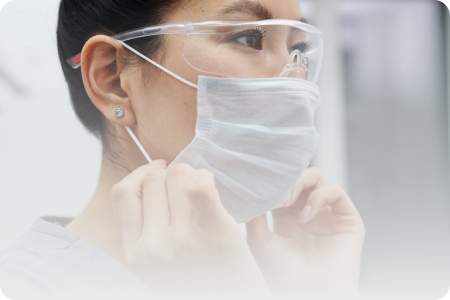
– To prepare to communication with a patient and examination (mask, clean warm hands, cutoff nails, if necessary ‑ gloves, spatula, needed instruments).
– Greeting and identification (name, level of competence), get the agreement of patient.
– At the receiving of agreement of patient to set confidential mutual relations (a friendly face, respect and concern, soft talk during conversation).
– To take complaints, anamnesis of disease and epidemiologic anamnesis, to explain to the patient the reason of finding out of separate questions (contact with an infectious patient, home and wild animals, use of poor quality meal and others like that), which are typical for chronic hepatitis
– To explain the results of questioning.
Physical examination of the patient
– To explain to the patient, what examination will be done and its reasonability, to get an agreement.
– To notify about the possibility of the occurrence of unpleasant feelings during examination.
– To conduct the physical examination of patient with chronic hepatitis (examination of skin and of mucus, tongue, superficial and deep palpation of stomach, determining sizes of liver, palpation, percussion of liver and spleen)
– To explain the results of examination understandably for patient.
Interpretation of the laboratory-instrumental methods results
– To estimate the changes of common blood analysis at a patient with chronic hepatitis
– To estimate changes in biochemical blood test, characteristic for chronic hepatitis
– To estimate the results of USI of organs of abdominal region at a patient with chronic hepatitis
– To estimate the results of determination of markers of viral hepatitis
– To estimate the results of PCR at a patient with chronic hepatitis
– To explain the results of laboratory-instrumental investigation understandably for patient.
– To finish a conversation, thank for communication, wish favorable flow of illness and rapid convalescence.
Line 5
Infectious diseases
« Curation of patient with the bacterial food poisoning»
Collection of patient complaints, anamnesis and epidemiological anamnesis
– To prepare to communication with a patient and examination (mask, clean warm hands, cutoff nails, if necessary ‑ gloves, spatula, needed instruments).
– Greeting and identification (name, level of competence), get the agreement of patient.
– At the receiving of agreement of patient to set confidential mutual relations (a friendly face, respect and concern, soft talk during conversation).
– To take complaints, anamnesis of disease and epidemiologic anamnesis, to explain to the patient the reason of finding out of separate questions (contact with an infectious patient, home and wild animals, use of poor quality meal and others like that), which are typical for bacterial food poisoning
– To explain the results of questioning.
Physical examination of the patient
– To explain to the patient, what examination will be done and its reasonability, to get an agreement.
– To notify about the possibility of the occurrence of unpleasant feelings during examination.
– To conduct the physical examination of patient with bacterial food poisoning (examination of skin and of mucus, tongue, superficial and deep palpation of stomach, determining sizes of liver, palpation, percussion of liver and spleen)
– To explain the results of examination understandably for patient.
Interpretation of the laboratory-instrumental methods results
– To estimate the changes of common blood analysis at a patient with bacterial food poisoning
– To estimate changes in biochemical blood test, characteristic for bacterial food poisoning
– To estimate the results of USI of organs of abdominal region at a patient with bacterial food poisoning
– To estimate the result of bacteriological research of stool and serologic diagnostics (reaction of agglutination, reaction of passive hemagglutination) at a patient with the bacterial food poisoning
– To estimate the results of bacteriological research of vomiting masses, washing waters at a patient with the bacterial food poisoning
Diagnostic manipulations
· To give first help a patient with the bacterial food poisoning
· Washing of stomach-intestinal tract
· Taking of material on bacteriological research
Line 5
Infectious diseases
« Curation of patient with herpetic diseases »
Collection of patient complaints, anamnesis and epidemiological anamnesis
– To prepare to communication with a patient and examination (mask, clean warm hands, cutoff nails, if necessary ‑ gloves, spatula, needed instruments).
– Greeting and identification (name, level of competence), get the agreement of patient.
– At the receiving of agreement of patient to set confidential mutual relations (a friendly face, respect and concern, soft talk during conversation).
– To take complaints, anamnesis of disease and epidemiologic anamnesis, to explain to the patient the reason of finding out of separate questions (contact with an infectious patient, home and wild animals, use of poor quality meal and others like that), which are typical for chickenpox, herpes zoster, infectious mononucleosis
– To explain the results of questioning.
Physical examination of the patient
– To explain to the patient, what examination will be done and its reasonability, to get an agreement.
– To notify about the possibility of the occurrence of unpleasant feelings during examination.
– To conduct the physical examination of patient with chickenpox, herpes zoster, infectious mononucleosis (examination of skin and of mucus, tongue, pharynx, inspection of lymphatic nodes, superficial and deep palpation of stomach, determining sizes of liver, palpation, percussion of liver and spleen)
– To explain the results of examination understandably for patient.
Interpretation of the laboratory-instrumental methods results
– To estimate the changes of common blood analysis at a patient with chickenpox, herpes zoster, infectious mononucleosis
– To estimate changes in biochemical blood test, character for herpetic diseases
– To estimate the results of USI of organs of abdominal region at a patient with infectious mononucleosis
– To estimate the result of immunological research of blood at a patient with chickenpox, herpes zoster, infectious mononucleosis
– To estimate the results of serologic investigation at a patient with chickenpox, herpes zoster, infectious mononucleosis
– To explain the results of laboratory-instrumental investigation understandably for patient.
– To finish a conversation, thank for communication, wish favorable flow of illness and rapid convalescence.
Line 5
Infectious diseases
« Curation of patient with salmonellosis»
Collection of patient complaints, anamnesis and epidemiological anamnesis
– To prepare to communication with a patient and examination (mask, clean warm hands, cutoff nails, if necessary ‑ gloves, spatula, needed instruments).
– Greeting and identification (name, level of competence), get the agreement of patient.
– At the receiving of agreement of patient to set confidential mutual relations (a friendly face, respect and concern, soft talk during conversation).
– To take complaints, anamnesis of disease and epidemiologic anamnesis, to explain to the patient the reason of finding out of separate questions (contact with an infectious patient, home and wild animals, use of poor quality meal and others like that), which are typical for salmonellosis
– To explain the results of questioning.
Physical examination of the patient
– To explain to the patient, what examination will be done and its reasonability, to get an agreement.
– To notify about the possibility of the occurrence of unpleasant feelings during examination.
– To conduct the physical examination of patient with salmonellosis (examination of skin and of mucus, tongue, superficial and deep palpation of stomach, determining sizes of liver, palpation, percussion of liver and spleen), to find out the symptoms of dehydration (pulse rate, BP, quantity of urine)
– To explain the results of examination understandably for patient.
Interpretation of the laboratory-instrumental methods results
– To estimate the changes of common blood analysis at a patient with salmonellosis
– To estimate changes in biochemical blood test, characteristic for salmonellosis
– To estimate the results of USI of organs of abdominal region at a patient with salmonellosis
– To estimate the result of bacteriological research of excrement, blood, urine and serologic investigation (reaction of agglutination, reaction of passive hemagglutination) at a patient with salmonellosis
Diagnostic manipulations
· To give first help a patient with salmonellosis
· Washing of stomach-intestinal tract
· Taking of material on bacteriological research
· To explain the results of laboratory-instrumental investigation understandably for patient.
· To finish a conversation, thank for communication, wish favorable flow of illness and rapid convalescence.
Line 5
Infectious diseases
« Curation of patient with viral hepatitis»
Collection of patient complaints, anamnesis and epidemiological anamnesis
– To prepare to communication with a patient and examination (mask, clean warm hands, cutoff nails, if necessary ‑ gloves, spatula, needed instruments).
– Greeting and identification (name, level of competence), get the agreement of patient.
– At the receiving of agreement of patient to set confidential mutual relations (a friendly face, respect and concern, soft talk during conversation).
– To take complaints, anamnesis of disease and epidemiologic anamnesis, to explain to the patient the reason of finding out of separate questions (contact with an infectious patient, home and wild animals, use of poor quality meal and others like that), which are typical for viral hepatitis
– To explain the results of questioning.
Physical examination of the patient
– To explain to the patient, what examination will be done and its reasonability, to get an agreement.
– To notify about the possibility of the occurrence of unpleasant feelings during examination.
– To conduct the physical examination of patient with viral hepatitis (examination of skin and of mucus, tongue, superficial and deep palpation of stomach, determining sizes of liver, palpation, percussion of liver and spleen)
– To explain the results of examination understandably for patient.
Interpretation of the laboratory-instrumental methods results
– To estimate the changes of common blood analysis at a patient with viral hepatitis
– To estimate changes in biochemical blood test, character for viral hepatitis
– To estimate the results of USI of organs of abdominal region at a patient with viral hepatitis
– To estimate the results of determination of markers of viral hepatitis
– To estimate the results of PCR at a patient with viral hepatitis
– To explain the results of laboratory-instrumental investigation understandably for patient.
– To finish a conversation, thank for communication, wish favorable flow of illness and rapid convalescence.
Line 5
Infectious diseases
«Curation of patient with a flu and other acute respiratory viral infections (ARVI)»
Collection of patient complaints, anamnesis and epidemiological anamnesis
– To prepare to communication with a patient and examination (mask, clean warm hands, cutoff nails, if necessary ‑ gloves, spatula, needed instruments).
– Greeting and identification (name, level of competence), get the agreement of patient.
– At the receiving of agreement of patient to set confidential mutual relations (a friendly face, respect and concern, soft talk during conversation).
– To take complaints, anamnesis of disease and epidemiologic anamnesis, to explain to the patient the reason of finding out of separate questions (contact with an infectious patient, home and wild animals, use of poor quality meal and others like that), which are typical for flu and other ARVI
– To explain the results of questioning.
Physical examination of the patient
– To explain to the patient, what examination will be done and its reasonability, to get an agreement.
– To notify about the possibility of the occurrence of unpleasant feelings during examination.
– To conduct the physical examination of patient with flu and other ARVI (examination of skin and of mucus, tongue, examination of lymphatic nodes, palpation, percussion of liver and spleen, auscultation of lungs)
– To explain the results of examination understandably for patient.
Interpretation of the laboratory-instrumental methods results
– To estimate the changes of common blood analysis at a patient with flu and other ARVI
– To estimate changes in biochemical blood test, character for flu and other ARVI
– To estimate the results of USI of organs of abdominal region at a patient with chronic hepatitis
– To estimate the results of serologic investigation for flu and other ARVI
Diagnostic manipulations
To take swab from nasopharynx
– To explain the results of laboratory-instrumental investigation understandably for patient.
– To finish a conversation, thank for communication, wish favorable flow of illness and rapid convalescence.
Line 5
Infectious diseases
« Curation of patient with exanthemas (leptospirosis, measles, meningococcal infection, epidemic typhus, typhoid fever, paratyphoids A & B) »
Collection of patient complaints, anamnesis and epidemiological anamnesis
– To prepare to communication with a patient and examination (mask, clean warm hands, cutoff nails, if necessary ‑ gloves, spatula, needed instruments).
– Greeting and identification (name, level of competence), get the agreement of patient.
– At the receiving of agreement of patient to set confidential mutual relations (a friendly face, respect and concern, soft talk during conversation).
– To take complaints, anamnesis of disease and epidemiologic anamnesis, to explain to the patient the reason of finding out of separate questions (contact with an infectious patient, home and wild animals, use of poor quality meal and others like that), which are typical for leptospirosis, measles, meningococcal infection, epidemic typhus, typhoid fever, paratyphoids A & B
– To explain the results of questioning.
Physical examination of the patient
– To explain to the patient, what examination will be done and its reasonability, to get an agreement.
– To notify about the possibility of the occurrence of unpleasant feelings during examination.
– To conduct the physical examination of patient with leptospirosis, measles, meningococcal infection, epidemic typhus, typhoid fever, paratyphoids A & B (examination of skin and of mucus, tongue, to describe character and localization of exanthemas, superficial and deep palpation of stomach, determining sizes of liver, palpation, percussion of liver and spleen)
– To explain the results of examination understandably for patient.
Interpretation of the laboratory-instrumental methods results
– To estimate the changes of common blood analysis at a patient with exanthemas
– To estimate changes in biochemical blood test, character for leptospirosis, measles, meningococcal infection, epidemic typhus, typhoid fever, paratyphoids A & B
– To estimate the results of USI of organs of abdominal region at a patient with leptospirosis, measles, meningococcal infection, epidemic typhus, typhoid fever, paratyphoids A & B
– To define the terms of taking material for confirmation of etiologic diagnosis at a patient with exanthemas (leptospirosis, measles, meningococcal infection, epidemic typhus, typhoid fever, paratyphoids A & B)
– To estimate the results of serologic diagnostics at a patient with exanthemas (leptospirosis, measles, meningococcal infection, epidemic typhus, typhoid fever, paratyphoids A & B)
Diagnostic manipulations
The order of conducting the lumbar puncture
Line 5
Infectious diseases
« Curation of patient with the infectious diseases of skin and subcutaneous fat”
Collection of patient complaints, anamnesis and epidemiological anamnesis
– To prepare to communication with a patient and examination (mask, clean warm hands, cutoff nails, if necessary ‑ gloves, spatula, needed instruments).
– Greeting and identification (name, level of competence), get the agreement of patient.
– At the receiving of agreement of patient to set confidential mutual relations (a friendly face, respect and concern, soft talk during conversation).
– To take complaints, anamnesis of disease and epidemiologic anamnesis, to explain to the patient the reason of finding out of separate questions (contact with an infectious patient, home and wild animals, use of poor quality meal and others like that), which are typical for infectious diseases of skin and subcutaneous fat (erysipelas, erysipelotrix)
– To explain the results of questioning.
Physical examination of the patient
– To explain to the patient, what examination will be done and its reasonability, to get an agreement.
– To notify about the possibility of the occurrence of unpleasant feelings during examination.
– To conduct the physical examination of patient with infectious diseases of skin and subcutaneous fat (erysipelas, erysipelotrix) (examination of skin and of mucus, tongue, describe character and localization of exanthemas, examination of the lymphatic nodes)
– To explain the results of examination understandably for patient.
Interpretation of the laboratory-instrumental methods results
– To estimate the changes of common blood analysis at a patient with infectious diseases of skin and subcutaneous fat (erysipelas, erysipelotrix)
– To estimate the results of serologic investigation of a patient with infectious diseases of skin and subcutaneous fat (erysipelas, erysipelotrix)
– To explain the results of laboratory-instrumental investigation understandably for patient.
– To finish a conversation, thank for communication, wish favorable flow of illness and rapid convalescence.