LESSON № 5 THE CONCEPT OF PERSONALITY
(Practical – 8 hours)
Theme: The Concept of Personality
v Age Pedagogics.
v The Concept of Personality.
v Psychological and Pedagogical aspects of Personality Development: School Age – Adolescence.
 Age Pedagogics.
v The Concept of Personality.
In recognition of the complexity of personality, it has been said that every person is in certain respects like all other people, like some other people and like no other person.
What this means is that, although all human beings share the biological features that are universal to the species, they also hold membership in a particular society and take on the characteristics of certain people in that society. In spite of all these physical, social and cultural uniformities, however, each person in the world remains wholly unique.
You can say that about yourself that in the long history of the human race and the lengthier future that lies ahead, there has never been and will never be anyone quite likes you. The way you think, feel, perceive and behave has a pattern which, in its finest details, will never be duplicated. You simply cannot be cloned!
Your individual personality is created by a combination of unique factors- your biology, constitution, temperament, genetic structure, social development, motivational patterns, specific family and cultural environment and life experiences. All these contribute both to your individuality as well as to your similarity to others.
The idea that you are what you are and that you caever be replaced is mind-boggling, not only for you, but for the personality theorist and researcher whose challenge it is to integrate these many aspects and dimensions of personality into a coherent framework.
We begin our discussion of the topic of personality with the search for a theoretical framework within which to understand the complexity of human personality. Theorists have addressed this challenge have adopted one of two alternative orientations or conceptions.
The first is the descriptive view which emphasizes the structure of personality, either in terms of major behavioral dimensions called personality traits or in terms of personality types.
The second is a developmental orientation in which the task is to describe how personality develops and how individuals adapt to their diverse environments
Trait theory
A trait is a stable and enduring attribute of a person that is revealed consistently in a variety of situations. Were a trait theorist to study all possible characteristics that can be used to describe individuals, the number of possibilities would be overwhelming.
The most cited number in the psychology of personality may be 17,953. This is the number of distinguishing adjectives that Gordon Allport and Henry Odbert (1936) were able to extract from the English language when they set out to create a dictionary of trait names that could be used to distinguish one person’s behavior from another. Thirty years later, Warren Norman (1963) developed a pool of some 40,000 trait-descriptive terms. Using experimental and statistical methods, however, Norman was able to reduce this number dramatically.
He began his search for simplicity by creating a set of paired polar opposite adjectives from the list. Statistical analysis revealed that five personality traits seemed to account for the way in which ratings by subject grouped together.
Surface traits are considered the overt expressions of personality. Speaking figuratively, these attributes are close to the surface and are expressions of more basic traits of personality. Using a statistical method called factor analysis, sixteen source traits were identified.
Type theory
Types are broad inclusive patterns of traits on which some psychologists have attempted to classify people. Perhaps the most famous of all typologies is that of introversion-extroversion first described by Carl Jung. According to Jung, the extrovert is outgoing, exuberant, lively and inclined toward direct action. The introvert presents the opposite side of the behavioral coin and is more prone to thoughtful reflection. This attractive typology unfortunately shares the two major shortcomings of all simple typologies.
First, typologies put people into extreme categories that apply only to a few individuals. As with most dimensions of human variation, the graduation from introversion to extroversion is a continuous one on which people are normally distributed.
Most people fall in the middle of the dimension and show both introversion and extroversion to a degree. Second, in their simplicity, typologies ignore one of the most important facts about personality that it is multidimensional and consists of many attributes.
The task of establishing theoretical unification, or integration, within a psychological area is one of determining relative superiority among conflicting accounts. As many recent articles have shown, however, traditional assessment criteria (novelty, quantifiability, accuracy, parsimony, replicability) do not provide such integration (Staats, 1987; Wertheimer, 1988; Groot, 1990).
J.R. Royce (1988) suggested that the traditional criteria had to do with the context of justification and that the solution to the problem of indeterminacy would come from obtaining “the same kind of deep and penetrating analyses of the discovery aspect” of our science (p. 63). That is, we must outline the careers of psychological positions as they advance from weak to strong. Neither the application of a monolithic unifying principle (e.g., logical or uninomic positivism) nor the collection of more data will be helpful (Tolman & Lemery, 1990). The required antidote is to outline the successive types of positions in each area and evaluate their correspondence to aspects of the developmental processes under study.
This chapter demonstrates how various 20th century positions on personality fit into a hierarchy of empirical and theoretical maturity based on combined outlines of scientific discourse from Scheffler (1967/1982), Davydov (1984) and Ilyenkov (1982). Although such match-ups are never perfect, the utility of this combined approach shows promise.
In his book Science and Subjectivity, Israel Scheffler (1967/1982) advanced a steadfastly objectivist, but non-positivist, account of the standard view of science. According to the standard view, facts provide the empirical data which form observational laws. These are, in turn, related and explained by theoretical laws.
When one [theoretical] hypothesis is superseded by another, the genuine facts it had purported to account for are not inevitably lost; they are typically passed on to its successor, which conserves them as it reaches out to embrace additional facts (Scheffler, 1967/1982, p. 9).
The challenge for psychologists has been how to reconcile this standard view with the actual state of the science. How are the various empirical and theoretical positions in psychology to be related and evaluated? To relate is to note the succession of positions in a given area (e.g., personality); to evaluate is to assess the questions addressed by each position, as well as their correspondence with various aspects of the area.
Scheffler’s (1967/1982) distinction between the empirical and theoretical levels of science is effectively equivalent to Davydov’s (1984) distinction between abstract and substantial generalization and Ilyenkov’s (1982) distinction between initial abstraction, initial generalization, and concrete conception. The category of concrete description has been added to expand Scheffler’s empirical level.
Scheffler stated his aim as the “reinterpretation and defense of… objectivity” (1967/1982, p. vii). He stressed that his “elaboration of the standard view [was] intended as a basis for discussion” (p. viii). But there is a problem in Scheffler’s two-tiered view of science: It assumes that all empirical investigation is concrete (because it deals with immediate experience), whereas all theory (because it goes beyond immediate experience) is abstract. Both Davydov and Ilyenkov argue that such a view is oversimplified. The task of empirical research, they suggest, is to catalog and classify various aspects of an area. These empirical categories (whether they are specific or general) may be either abstract (i.e., reveal superficial aspects) or concrete (reveal essential or necessary interrelations). Truly theoretical thinking, however, is always concrete because it is concerned with reconstructing the general developmental transformations of the subject matter (Ilyenkov, 1982, p. 31; Davydov, 1984, pp. 14-15).
For example, when presented with two equal sized cubes of metal, some of their different empirical features, like color, weight and magnetism, may be useful starting points. Other superficial aspects such as luster may not be useful. Generalized empirical information about their respective malleability, electrical conductivity and corrosiveness can be obtained by further manipulation. Empirical descriptive analysis of their crystalline structures reveals the origin of functional aspects like stiffness and thermal expansion. However, knowledge of the genesis of such metals (e.g., in a certain size star, meteor, blast furnace, or atomic reactor) represents a still higher, developmental form of generalization.
For Davydov and Ilyenkov, the theory is this higher, concrete, form of generalization. Scheffler (1967/1982), however, tended to use the term to refer to empirical generalization (initial or abstract generalization in Ilyenkov and Davydov’s terms). This left his outline vulnerable to anti-objectivism which trades on the indeterminacy of abstract empirical investigations.
Therefore, Scheffler’s empirical level has been stretched to include three stages (initial abstraction, initial generalization and concrete description). This conforms to the view shared by Davydov and Ilyenkov that most empirical research is abstract (e.g., artificial experimental milieus, generalized correlations among surface features), while only some of it is concrete (e.g., non-obtrusive observation, careful longitudinal studies). Scheffler’s notion of the cumulative nature of theoretical conceptions, however, is preserved in the resulting four-tiered view of science.
This understanding of scientific discourse can be used to assess 20th century positions on personality
Early investigation involves initial abstractions at the empirical level. That is, particular aspects or qualities of a phenomenon are selected as important for study. The operational definitions of motivation (hunger, thirst, pain, and sex) are examples of such initial abstractions (Brown, 1979). At this early stage of investigation, questions about what aspects of a phenomenon to study for a particular purpose are favored over the hunt for a crystallized definition of the whole phenomenon.
In the 1920s and early 1930s, personality researchers often published in the Journal of Applied Psychology (Parker, 1991). The concern was to establish the advantages of empirical study of personality over the former phrenological and graphology traditions (e.g., Cleeton, 1924). These psychologists, while studying what were later to be called traits, were “not particularly interested in developing personality theory” (Endler & Parker, 1992, p. 179).
This emphasis of the part at the expense of the whole indicates the immaturity of an early investigation. Hence, in 1938, Henry Murray characterized the area as “still in its diaper enjoying random movements” (p. 21). The advent of disciplinary self-analysis [p. 154] regarding the validity of empirical procedures and clinical tests marked the transition to a more standardized approach (e.g., Landis & Katz, 1934; Hertz, 1935).
Initial (Abstract) Generalization
This stage involves the formation of categories and classification of types thought to apply to various aspects of the phenomena (or segments of the population) under study. Two logically contradictory but empirically supportable classes of categories were abstracted from the personality area. Trait categories included neuroticism, extroversion, openness, agreeableness, and conscientiousness. Situationist categories included observational and vicarious environmental influences (Bandura, 1973; Mischel, 1973).
Although Allport and Vernon (1930) recognized the need to situate the trait view within the broader context of personality such concerns were subsequently dropped. Trait theory’s tendency toward “methodolatry,” a shift of concern away from elaborating some causal process toward concern over statistical outcome (Danziger, 1990, pp. 111-112; Bakan, 1967, pp. 158-159), is a symptom of its abstractness.
In the purified trait approach, the question of whether traits exist as anything more than empirical convenience was replaced with the question of how many traits are produced by which statistical method (i.e., Cattell versus Eysenck versus McCrae and Costa). For instance, Digman (1990) lists the similar factors obtained by empirical studies between the years 1949-1986 while taking the ontological status of personality traits completely for granted.
Although pure trait and situationist positions are rapidly becoming historical curiosities (Kendrick & Funder, 1988), the continuous and discontinuous aspects of personality are often framed in terms of exclusive alternatives. Kagan (1988) argues that there are either (A) “static entities” which don’t change (essences which do not vary when the organism or context does vary) or (B) “discontinuous constructs” which vary across contexts (pp. 617-619). A widely used introductory text by Atkinson, Atkinson, Smith, & Bem (1990) describes the same issue as the “consistency paradox” (pp. 543). Despite such logical difficulties, there has developed a distinct preference for eclectic and longitudinal studies.
Concrete Description
Concrete descriptive research focuses on the relations between the various classifications (e.g., traits, environment, socio-historical events). Temporal relations between categories are also investigated to obtain a descriptive outline of the area. In the mid-1970s, the interactionist approach attempted such an outline.
The interactionist argues that personality is not just a ripening of genetic traits, nor just the effect of varied situations but both (Bowers, 1973; Pervin, 1977). The most recent proponents distinguish between mechanistic and dynamic interactionism. Endler and Parker (1992), for instance, point out that the empirical methods used by mechanistic interactionism (ANOVA and the IV-DV model) were not suited for developmental analysis. They suggest replacing those empirical tools with the statistical technique of path analysis and programs such as LISREL which allow bidirectional causal models to [p. 155] be tested (see Bynner & Romney, 1985).
While this is an interesting move, dynamic interactionist are still focusing on correlations among prerequisites of personality, not aspects of personality itself. Just as the details of personality are not found in genes (the biological prerequisites for the personality), nor in any passive or active adaptation to an environment (the biological and social conditions for the individual), they are also not found in the correlations between those two abstractions.
The interactionist position, while claiming a role for heredity and for environment, fails to account for the interaction itself, i.e., human society. Societal events (e.g., war, economic depression, changing [social] norms) are considered as external ‘factors’ that correlate with personality traits. A static view of development as the result of outside factors on stable elements is assumed.
Dialectical logic has been missing from interactionist views (e.g., Magnusson, 1990). In contrast to the supplementary linear empirical tools urged by interactionists, dialectical logic is a theoretical tool (Ilyenkov, 1977). In the present case, it helps to distinguish between the logical contradiction of linguistic categories (e.g., continuity versus discontinuity) and the objective contradictions of personality development (transformation of a biological individual into a societal personality).
Concrete Concepts
Concrete concepts involve the revelation of “necessary interconnections” among the abstractable properties of the subject matter (Tolman, 1991, p. 160; see also Bakhurst, 1991). These necessary interconnections are generally revealed by a developmental account of the phenomenon.
An example of personality theory which approaches this explanatory stage, is A. N. Leontiev’s (1978) theory of Activity. It explicitly uses a dialectical materialist analysis and is an extension of the better known Vygotskian tradition (Tolman, 1983; Wertsch, 1986). According to Leontiev, personality must be understood in terms of its development in societal relations from the initially biological and social individual. The process is one of the individual’s active appropriation of culture. In other words, the becoming of personality must be studied, as opposed only to its prerequisites.
Contrary to trait theory, one is not born a personality but rather a biological individual. Also contrary to situationist theory, the basis is biological individuality (i.e., the infant’s characteristic level of physiological activeness, attention span, general mood). Personality develops through the active internalization of culture under societal influences.
This must be distinguished from interactionist theory (where genes and environment “meet” culture). The child’s inauguration into societal practices is conceived not simply as the origin of particular beliefs, desires, hopes, intentions and so on, but as the source of the child’s very capacity to believe, to desire, and so on (Bakhurst, 1991, p. 78). The analytical tools used by the Activity approach to investigate how biologically given processes are transformed into societal processes (joint action, appropriation, etc.) are outlined in Tolman (1988).
According to Leontiev (1978), the infant as an active biological individual is guided [p. 156] by, and also guides, the [nurturing] activity of the primary care giver (joint action). This relationship is an aspect of [every part of] the infant’s life (feeding, clothing, excretion, etc.). Such reciprocal guidance is always relative to the biological and experiential development of the child. The way such ontogenetic development proceeds is to be found in the relation between what the child can do by itself and what it can do with the help of others (see Vygotsky, 1978, pp. 84-91, on the zone of proximal development).
The quality of the joint action is important. Western research on the differences between authoritative, authoritarian, indulgent, and neglecting parenting demonstrated this point (see Maccoby and Martin, 1983). Despite its factorial methods, the research of Scarr and McCartney (1983) on evocative interaction (where the child seeks out new societal relations) confirms Leontiev’s theory.
Conclusion
Although this chapter focused on modern views of personality, the same assessment methodology applies to other core areas of psychology. This methodology recognizes the historical value of initial abstractions on the empirical level, but specifies the aim of scientific discourse as the eventual concretization of the abstract through the attainment of concrete generalization on the theoretical-explanatory level. By elaborating the levels of scientific discourse more fully, this methodology reveals the relative maturities of empirical and theoretical positions in psychology, making choices and integrations among such positions attainable in principle.
BIBLIOGRAPHY:
A. Principal:
Footnotes
1. At least it is this part of their heritage for which they are remembered, thanks to the interpretation of their disciples. On the other hand, Auguste Comte borrowed his theory of the evolution of religion from Saint-Simon who also enunciated the evolutionary thought that mankind must decay like other living things. Saint-Simon’s speculations, however, always ended in closed systems.
2. Compare the critique of the utopians in J. Davis: Contemporary Social Movements, p. 51
3. See, G. Elton: The Revolutionary Idea in France, 1789-1871, p. 123. (1923 edition.)
4. His chief works are: L’Industrie (1816-1818), Le Politique (1819), L’Organisateur (1819-1820), Systeme Industriel (1821), and Le Nouveau Christianisme (1825).
5. Gide and Rist: A History of Economic Doctrines, p. 202.
6. In his first work, however, in 1803, Saint-Simon had proposed the very opposite, namely, to re-establish order in society by means of a union between the intellectuals and the territorial proprietors, the model being the Middle Ages, the purpose, to suppress the authority of the masses. The industrialists are not mentioned.
7. Saint-Simon’s opposition to military government, of course, came after Napoleon’s defeat. While Napoleon lived, his system of government in Italy was declared to be the best the world had ever seen. “So long as Napoleon’s fortunes were in the ascendant, no sycophant was ever more obsequious.” (A. J. Booth: Saint-Simon and Saint-Simonism, p. 39.)
8. See, D. B. Cofer: Saint-Simonism in the Radicalism of Thomas Carlyle.
9. T. Kirkup: A History of Socialism (5th ed., 1913), p. 31.
10. M. Hillquit: History of Socialism in the United States, pp. 72-73. (Fifth edition.)
11. See, A. Brisbane: General Introduction to Social Science, pp. 13, 14 and following. (New York, 1876, edition.)
12. The same, p. 43.
13. In this respect Fourier seems to be forerunner of the works of Tarde with his laws of imitation.
14. Brisbane: work cited, p. 71.
15. For his chart of evolution, see C. Fourier: Theory of the Four Movements, p. 36.
16. Fourier was acute enough to predict that canals would be built both at Suez and Panama, although it was the disciples of Saint-Simon who built one and began the other!
17. The plan and rules of Fourier’s Phalanges are given in P. Godwin: A Popular View of the Doctrines of Charles Fourier, p. 51 and following.
18. R. T. Ely: The Labor Movement in America, p. 20. (1905 edition.)
19. M. Hillquit: History of Socialism in the United States, p. 25.
20. Brisbane, Greeley, Parke, Godwin, George Ripley, C. A. Dana, William Henry Channing, Hawthorne, Emerson, Theodore Parker, Thoreau, Henry James, James Russell Lowell, Margaret Fuller, Louise Alcott, and others were Fourierists.
21. N. J. Ware: The Industrial Worker, 1840-1860, p. 165.
22. G. D. H. Cole: The Life of Robert Owen, p. 5 (1930 edition.)
23. See R. Owen: A New View of Society and Other Writings. (Everyman’s ed.)
24. See, C. Southwell: Socialism Made Easy or a Plain Exposition of Mr. Owen’s Views; also, R. Owen: Public Discussion between Robert Owen and the Rev. J. H. Roebuch.
25. R. Owen: Letters on Education, p. 14.
26. A. J. Booth: Robert Owen, p. 41.
27. The same, p. 94.
28. See, R. Owen: Wealth and Misery.
29. No Negro could become a member of the New Harmony colony.
At first the constitution of the New Harmony was put on an exceedingly anti-democratic basis: “. . . the government was to be in a committee of twelve, of whom eight should be persons who had advanced one hundred pounds or upwards.” (W. L. Sargent: R. Owen and his Social Philosophy, p. 235.)
30. G. D. H. Cole, work cited, p. 9.
31. D. Ricardo: Works, p. 23 (J. R. McCulloch 1876 edition).
32. Wrote: An Inquiry into the Principles of the Distribution of Wealth (1824); Appeal of One Half the Human Race; Women (1825); Labour Rewarded (1827); Practical Directions for the Speedy and Economical Establishment of Communities (1830). He died 1833.
33. Wrote: A Lecture on Human Happiness (1825); A Word of Advice to the Orbistonians (1826); The Social System (1831); An Efficient Remedy for the Distress of Nations (1842); The Currency Question, (1847); Lectures on the Nature and the Use of Money (1848)
34. E. Lowenthal: The Ricardian Socialists, p. 51.
35. However, the navy was all right!
36. John Gray: A Lecture on Human Happiness, pp. 69-70
37. The pertinent works of T. Hodgskin are: Labour Defended Against the Claims of Capital (1825); Popular Political Economy (1827); The Natural and Artificial Rights of Property Contrasted (1832).
38. Hodgskin, like Herbert Spencer, was on the staff of the London Economist.
38. J. Bray: Labour’s Wrongs and Labour’s Remedy, p. 17. (1931 ed.)
39. See, J. Bray, the same, p. 56 and following.
40. The same, p. 52.
41. E. Lowenthal: The Ricardian Socialists, p. 898.
42. R. W. Postgate: Revolution from 1789 to 1906, p. 165.
43. See, P. W. Slosson: The Decline of the Chartist Movement, especially p. 178.
44. New York Daily Tribune, July 9, 1845, quoted in N. J. Ware: The Industrial Worker 1840-1860, p. 7.
45. The same, p. 13.
46. R. T. Ely: The Labor Movement in America, p. 49 (1905 edition).
47. N. J. Ware: work cited, quoted from “City of Boston Document No. 66.”
48. E. Jones: Notes to the People, p. 74, quoted in P. W. Slosson, work cited.
49. N. J. Ware: The same, p. xv, footnote.
50. Quoted in P. W. Slosson, work cited, p. 197.
51. J. E. Smith: On the Prospects of Society, p. 98, quoted in R. W. Postgate, work cited, Document 46.
The notion of education
Education as a science cannot be separated from the educational traditions that existed before. Education was the natural response of early civilizations to the struggle of surviving and thriving as a culture. Adults trained the young of their society in the knowledge and skills they would need to master and eventually pass on. The evolution of culture, and human beings as a species depended on this practice of transmitting knowledge. In pre-literate societies this was achieved orally and through imitation. Story-telling continued from one generation to the next. Oral language developed into written symbols and letters. The depth and breadth of knowledge that could be preserved and passed soon increased exponentially. When cultures began to extend their knowledge beyond the basic skills of communicating, trading, gathering food, religious practices, etc, formal education, and schooling, eventually followed. Schooling in this sense was already in place in Egypt between 3000 and 500BC.
EDUCATION is THE PREROGATIVE OF MAN. To man must be reserved the noble term education. Training suffices for animals, and cultivation for plants. Man alone is susceptible of education, because he alone is capable of governing himself, and of becoming a moral being. An animal, through its instincts, is all that it can be, or at least all that it has need of being. But man, in order to perfect himself, has need of reason and reflection; and as at birth he does not himself possess these qualities, he must be brought up by other men.
Is THERE A SCIENCE OP EDUCATION? No one doubts, today, the possibility of a science of education. Education is itself an art, skill embodied in practice; and this art certainly supposes something besides the knowledge of a few rules learned from books. It requires experience, moral qualities, a certainwarmth of heart, and a real inspiration of intelligence. There can be no education without an educator, any more than poetry without a poet, that is, without some one who by his personal qualities vivifies and applies the abstract and lifeless laws of treatises on education. But, just as eloquence has its rules derived from rhetoric, and poetry its rules derived from poetics; just as, in another order of ideas, medicine, which is an art, is based upon the theories of medical science; so education, before being ‘ an art in the hands of the masters who practise it, who enrich it by their versatility and their devotion, who put upon it the impress of their mind and heart, education is a science which philosophy deduces from the general laws of humaature, and which the teacher perfects by inductions from his own experience.
There is, therefore, a science of education, a practical and applied science, which now has its principles and laws, which gives proof of its vitality by a great number of publications.
According to Gabriel Compayer, Pedagogy, so to speak, is the theory of education, and education the practice of pedagogy. Just as one may be a rhetorician without being an orator, so one may be a pedagogue that is, may have a thorough knowledge of the rules of education without being an educator, without having practical skill in the training of children.
DEFINITION OF EDUCATION
It will not be without interest to mention in this place the principal definitions that are of note, either on account of the names of their authors or of the relative exactness of their connotations.
One of the most ancient, and also one of the best, is that of Plato:
“The purpose of education is to give to the body and to the soul all the beauty and all the perfection of which they are capable.”
The perfection of human nature, such indeed is the ideal purpose of education. It is in the same sense that Kant, Madame Necker de Saussure, and Stuart Mill have given the following definitions :
“Education is the development in man of all the perfection which his nature permits.”
“To educate a child is to put him in a condition to fulfil as perfectly as possible the purpose of his life.”
“Education includes whatever we do for ourselves and whatever is done for us by others, for the express purpose of bringing us nearer to the perfection of our nature.”
Here it is the general purpose of education which is principally in view. But the term perfection is somewhat vague and requires some explanation. Herbert Spencer’s definition responds in part to this need :
“Education is the preparation for complete living.”
But in what does complete living itself consist? The definitions of German educators give us the reply:
“Education is at once the art and the science of guiding the young and of putting them in a condition, by the aid of instruction, through the power of emulation and good example, to attain the triple end assigned to man by his religious, social, and national destination.” (Niemeyer.)
“Education is the harmonious and equable evolution of the human faculties by a method founded upon the nature of the mind for developing all the faculties of the soul, for stirring up and nourishing all the principles of life, while shunning all one-sided culture and taking account of the sentiments on which the strength and worth of men depend.” (Stein.)
“Education is the harmonious development of the physical, intellectual, and moral faculties.” (Denzel.)
These definitions have the common fault of not throwing into sharper relief the essential character of education properly so called, which is the premeditated, intentional action which the will of a man exercises over the child to instruct and train him. They might be applied equally well to the natural, instinctive, and predetermined development of the human faculties. In this respect we prefer the following formulas:
“Education is the process by which one mind forms another mind, and one heart another heart.” (Jules Simon.)
“Education is the sum of the intentional actions by means of which man attempts to raise his fellows to perfection.” (Marion.)
“Education is the sum of the efforts whose purpose is to give to man the complete possession and correct use of his different faculties.” (Henry Joly.)
Kant rightly demanded that the purpose of education should be to train children, not with reference to their success in the present state of human society, but with reference to a better state possible in the future, in accordance with an ideal conception of humanity. We must surely assent to these high and noble aspirations, without forgetting, however, the practised aims of educational effort. It is in this sense that James Mill wrote :
“The end of education is to render the individual as much as possible an instrument of happiness, first to himself, and next to other beings.”
Doubtless this definition is incomplete, but it has the merit of leading us back to the practical realities and the real conditions of existence. The word happiness is the utilitarian translation of the word perfection. A lofty idealism should not make us forget that the human being aspires to be happy, and that happiness is also a part of his destination. Moreover, without losing sight of the fact that education is above all else the disinterested development of the individual, of one’s personality, it is well that the definition of education should remind us that we do not live solely for ourselves, for our own single and selfish perfection, but that we also live for others, and that our existence is subordinate to that of others.
What are we to conclude from this review of so many different definitions? First, that their authors have often complicated them by the introduction of various elements foreign to the exact notion of the word education, and that it would perhaps be better to be satisfied to say, with Rousseau, for the sake of uniting simply on the sense of the word, ” Education is the art of bringing up children and of forming men.” But if we are determined to include in the definition of education the determination of the subject upon which it acts and the object which it pursues, we shall find the elements of such a conception here and there in the different formulas which we have quoted. It would suffice to bring them together and to say:
“Education is the sum of the reflective efforts by which we aid nature in the development of the physical, 1 intellectual, and moral faculties of man, in view of his perfection, his happiness, and his social destination.” Gabriel Compayer
Education encompasses teaching and learning specific skills, and also something less tangible but more profound: the imparting of knowledge, positive judgment and well-developed wisdom.
Education encompasses both the teaching and learning of knowledge, proper conduct, and technical competency. It thus focuses on the cultivation of skills, trades or professions, as well as mental, moral & aesthetic development.
Formal education consists of systematic instruction, teaching and training by professional teachers. This consists of the application of pedagogy and the development of curricula. In a liberal education tradition, teachers draw on many different disciplines for their lessons, including psychology, philosophy, linguistics, biology, and sociology. Teachers in specialized professions such as astrophysics, law, or zoology may teach only in a narrow area, usually asprofessors at institutions of higher learning.
The right to education is a fundamental human right. Since 1952, Article 2 of the first Protocol to the European Convention on Human Rights obliges all signatory parties to guarantee the right to education. At world level, the United Nations‘ International Covenant on Economic, Social and Cultural Rights of 1966 guarantees this right under its Article 13.
Systems of formal education
Educational systems are established to provide education and training, often for children and the youth. A curriculum defines what students should know, understand and be able to do as the result of education. A teaching profession delivers teaching which enables learning, and a system of policies, regulations, examinations, structures and funding enables teachers to teach to the best of their abilities. Sometimes education systems can be used to promote doctrines or ideals as well as knowledge, which is known as social engineering. This can lead to political abuse of the system, particularly in totalitarian states and government.
· Education is a broad concept, referring to all the experiences in which students can learn something.
· Instruction refers to the intentional facilitating of learning toward identified goals, delivered either by an instructor or other forms.
· Teaching refers to the actions of a real live instructor designed to impart learning to the student.
· Training refers to learning with a view toward preparing learners with specific knowledge, skills, or abilities that can be applied immediately upon completion.
2. Stages of education
Primary education

Primary school in open air. Teacher (priest) with class from the outskirts of Bucharest, around 1842.
Primary (or elementary) education consists of the first years of formal, structured education. In general, primary education consists of six or seven years of schooling starting at the age of 5 or 6, although this varies between, and sometimes within, countries. Globally, around 70% of primary-age children are enrolled in primary education, and this proportion is rising. Under the Education for All programs driven by UNESCO, most countries have committed to achieving universal enrollment in primary education by 2015, and in many countries, it is compulsory for children to receive primary education. The division between primary and secondary education is somewhat arbitrary, but it generally occurs at about eleven or twelve years of age. Some education systems have separatemiddle schools, with the transition to the final stage of secondary education taking place at around the age of fourteen. Schools that provide primary education,are mostly referred to as primary schools. Primary schools in these countries are often subdivided into infant schools and junior schools.
Secondary education
In most contemporary educational systems of the world, secondary education consists of the second years of formal education that occur during adolescence. It is characterised by transition from the typically compulsory, comprehensive primary education for minors, to the optional, selective tertiary, “post-secondary”, or “higher” education (e.g., university, vocational school) for adults. Depending on the system, schools for this period, or a part of it, may be called secondary or high schools, gymnasiums, lyceums, middle schools, colleges, or vocational schools. The exact meaning of any of these terms varies from one system to another. The exact boundary between primary and secondary education also varies from country to country and even within them, but is generally around the seventh to the tenth year of schooling. Secondary education occurs mainly during the teenage years. In the United States and Canada primary and secondary education together are sometimes referred to as K-12 education, and in New Zealand Year 1-13 is used. The purpose of secondary education can be to give common knowledge, to prepare for higher education or to train directly in a profession.
Higher education

The University of Cambridge is an institute of higher learning.
Higher education, also called tertiary, third stage, or post secondary education, is the non-compulsory educational level that follows the completion of a school providing a secondary education, such as a high school, secondary school, or gymnasium. Tertiary education is normally taken to include undergraduateand postgraduate education, as well as vocational education and training. Colleges and universities are the main institutions that provide tertiary education. Collectively, these are sometimes known as tertiary institutions. Tertiary education generally results in the receipt of certificates, diplomas, or academic degrees.
Higher education includes teaching, research and social services activities of universities, and within the realm of teaching, it includes both theundergraduate level (sometimes referred to as tertiary education) and the graduate (or postgraduate) level (sometimes referred to as graduate school). Higher education in that country generally involves work towards a degree-level or foundation degree qualification. In most developed countries a high proportion of the population (up to 50%) now enter higher education at some time in their lives. Higher education is therefore very important to national economies, both as a significant industry in its own right, and as a source of trained and educated personnel for the rest of the economy.
Adult education
Adult education has become common in many countries. It takes on many forms, ranging from formal class-based learning to self-directed learning.
3. Didactics as theory of education in high school
DIDACTICS
The word is from the Greek didaktikós, “apt at teaching.”
Didactics is the theory of teaching and, in a wider sense, the theory and practical application of teaching and learning. In demarcation from mathematics, as the science of learning, didactics refers only to the science of teaching.
Etymology of the English word didactic
the English word didactic
derived from the Greek word didaktikos, διδακτικός (instructive (‘didactic’))
derived from the Greek word didaktos, διδακτός (instructed, or communicated by teaching)
Date
The earliest known usage of didactic in English dates from the 17th century.
Cognates
· Dutch didactisch, French didactique, German Didaktik, German didaktisch, Lithuanian didaktika, Norwegian didaktisk, Russian дидaктика, Swedishdidaktisk
A didactic method (Greek: didáskein = to teach; lore of teaching) is a teaching method that follows a consistent scientific approach or educational style to engage the student’s mind. The didactic method of instruction is often contrasted with dialectics and the Socratic method; the term can also be used to refer to a specific didactic method, as for instance constructivist didactics.
Didactic materials are intended to convey instruction and information. The word is often used to refer to texts that are overburdened with instructive or factual matter to the exclusion of graceful and pleasing detail.
The didactic one has many bonds with epistemology, cognitive psychology, and other social sciences. Sometimes by doing this, it could benefit from concepts of these fields, at the price possibly of an adaptation. It also created its own concepts, directed in that by the directions taken by research.
4. Learning, basic principles of learning
Learning is a process of making sense of experiences rather than memorizing information. It requires integration of thoughts, feelings, and actions(Novak, 1984).
Importance of learning
Learning has a central role in education. Curriculum defines the content of what is taught, and the teaching of literacy and of numeracy in particular are somewhat prescribed, but most of the process of how teaching happens is still largely left up to the individual teacher.
What is learning?
Psychologists such as Kimble (1961) have defined learning in general as an experience which produces a relatively permanent change in behaviour, or potential behaviour. The definition therefore excludes changes which are simply due to maturation in the form of biological growth or development, or temporary changes due to fatigue or the effects of drugs.
As Howe (1980) has pointed out, learning has the important function of enabling us to benefit from experience. It enables us to build up a progressively more sophisticated internal model or representation of our environment, and then to operate on this, rather than on the world itself. Because of this we are able to think about things, to develop strategies, and use abstract concepts such as causation when we ask ourselves what makes things happen. These abilities enable us to predict and therefore to control events which are of importance for us, giving humans an enormous evolutionary advantage over other animals.
LEARNING MODES
It is currently fashionable to divide education into different learning “modes”. The learning modalities are probably the most common:
· Kinesthetic: learning based on hands-on work and engaging in activities.
· Visual: learning based on observation and seeing what is being learned.
· Auditory: learning based on listening to instructions/information.
It is claimed that, depending on their preferred learning modality, different teaching techniques have different levels of effectiveness. A consequence of this theory is that effective teaching should present a variety of teaching methods which cover all three learning modalities so that different students have equal opportunities to learn in a way that is effective for them.
Providing the Conditions for Learning
Quality teaching is one aspect of a larger system, since there is a dynamic and complicated interplay between the social aspects of learning and the specific classroom experiences offered.
Some students enter school ready to learn most days. Others arrive distracted, hungry and unsettled. An effective teacher does whatever possible to create conditions that engage the full spectrum of students, but it is not always possible to counter the negative currents and influences contributed by a harsh or disturbing external culture.
Young ones are most likely to learn when . . .
5. Learning in Different Age Groups
Because of the differences in cognitive, physical, and social abilities of different age groups, different pedagogical approaches are used when working with children of various ages. A technique that works well with a five year old might not be successful with a fourth grader. Similarly, teaching adults requires a different approach than the education of high school teenagers, even when the subject matter is the same. Pedagogical approaches and learning theories may be numerous iature, but the desire of educators to examine and discuss these varied approaches and theories will hopefully help create the best possible learning environment for all students, from preschool through adult.
One of the most important debates regarding teaching preschool children is over work versus play. While some educators advocate the beginnings of formal education, including mathematics, reading, and foreign languages, most advocate imaginative play over academic learning at such an early age. Physical development is often stressed, and children are engaged in group activities that aid in socialization. Some preschool programs may be very structured, while others allow the children more choice in their activities.

A kindergarten in Afghanistan
From kindergarten through grade five or six, generally known as elementary education, students learn most of their basic reading, writing, and mathematics skills. Education within the public school system is generally more traditional iature (teacher-directed learning). Many public schools tailor their pedagogical approaches to include different learning styles as well as cultural responsiveness. For parents looking for a more student-directed pedagogical approach, private schools like Montessori and Waldorf, as well as open and free schools, offer a variety of approaches to childhood education.

Japanese high school students wearing the “sailor” uniform
Educators in many middle and high school programs often use a traditional pedagogical approach to learning, with lectures and class discussion providing the core of instruction. Standardized testing, while used occasionally in the lower grades, is much more prevalent in high school. Technology is often an integral part of instruction; in addition to multimedia and educational presentations, computer programs have replaced activities like animal dissection in science classes. For those seeking a less teacher-directed approach, alternative high schools generally provide a smaller class size and more student-directed learning. Other types of private schools, such as military schools, offer a rigidly structured approach to education that is almost exclusively teacher-directed.
While there are some “free” or alternative colleges that offers self-directed learning and non-graded, narrative evaluations, most colleges and universities primarily employ lectures, laboratories, and discussions as their primary teaching method.

Representation of a university class, 1350s.
Similarly to pedagogical approaches in high school, technology provides additional presentation materials, as well as impacting the way faculty and students communicate. Online discussion groups are common; students may have access to an online message board where they can discuss a covered topic with other students and the professor, and email contact between students and professors can supplement office hours. Professors are often challenged to find new ways to address students’ different learning styles, as well as creating a learning environment that is accessible to those with learning disabilities.
Remedial programs for adult learners (such as literacy programs) focus not only on the acquisition of knowledge, but also must deal with the biases and sensitive emotional issues that may face adults in these situations. Adult educators often use students’ life experiences to help connect them with the academic material. Adult learners interested in continuing higher education often find that online or distance learning is easier to fit into a busy schedule than physically attending classes.
During the twentieth century, work within the educational community impacted the way learning was perceived, and pedagogical approaches became widely discussed. In many countries, the traditional method of education had been the “banking method of education,” a concept perhaps most famously criticized in Freire‘s Pedagogy of the Oppressed. With the “banking” method, teachers lecture and bestow knowledge upon the student, who then passively receives, or “banks” it. In the United States, John Dewey significantly influenced pedagogical approaches with his concept of progressive education. Dewey believed that students needed to integrate skills and knowledge into their lives through experience, rather than just be taught dead facts. He also coined the phrase “learning by doing,” a phrase that has become the hallmark of experiential learning. For instance, Dewey’s students learned biology, chemistry, and physics though activities such as cooking breakfast.
The concepts behind cognitivism and social constructivism have led to the development of schools like Montessori and Waldorf schools; private schools that allow children to direct their own education, and encourage hands-on and active learning, while minimizing the amount of technology and teacher-directed learning. Constructivism has also led to the development of educational styles like service learning, where students participate in and reflect upon participation in community service, using their experience to make meaningful connections between what they are studying and its applications. Other types of schooling, such as free schools, open schools, and democratic schools function almost completely without the traditional student/teacher hierarchy.

Brothers studying together in a homeschool environment.
Many educators are focusing on ways to incorporate technology into the classroom. Television, computers, radio, and other forms of media are being utilized in an educational context, often in an attempt to involve the student actively in their own education. Some educators, on the other hand, believe that the use of technology can facilitate learning, but is not the most effective means of encouraging critical thinking and a desire to learn, and prefer the use of physical objects. Nevertheless, it is undeniable that technology has revolutionized many approaches to education, including distance learning, computer assisted instruction, and homeschooling.
While new approaches and pedagogical techniques are constantly being developed, some older ones are being questioned. Many educators question the value of standardized testing, particularly in younger children. While such techniques are still a major part of many educational systems, there is a push to discontinue their use in favor of more student centered, hands on evaluation. Thus, as all those involved in educational theory and practice continue to advance their knowledge and techniques, and our knowledge and technology continues to develop, pedagogy also is in a state of continuous change and improvement in an effort to provide the best education to all people.
6. Learning theory
In psychology and education, a common definition of learning is a process that brings together cognitive, emotional, and environmental influences and experiences for acquiring, enhancing, or making changes in one’s knowledge, skills, values, and world views (Illeris,2000; Ormorod, 1995). Learning as a process focuses on what happens when the learning takes place. Explanations of what happens constitute learning theories.
A learning theory is an attempt to describe how people and animals learn, thereby helping us understand the inherently complex process of learning.Learning theories have two chief values according to Hill (2002). One is in providing us with vocabulary and a conceptual framework for interpreting the examples of learning that we observe. The other is in suggesting where to look for solutions to practical problems. The theories do not give us solutions, but they do direct our attention to those variables that are crucial in finding solutions.
There are three main categories or philosophical frameworks under which learning theories fall: behaviorism, cognitivism, and constructivism. Behaviorism focuses only on the objectively observable aspects of learning. Cognitive theories look beyond behavior to explain brain-based learning. And constructivism views learning as a process in which the learner actively constructs or builds new ideas or concepts.
Behaviorism
Behavorism as a theory was most developed by B. F. Skinner. It loosely includes the work of such people as Thorndike, Tolman, Guthrie, and Hull. Whatcharacterizes these investigators is their underlying assumptions about the process of learning. In essence, three basic assumptions are held to be true. First,learning is manifested by a change in behavior. Second, the environment shapes behavior. And third, the principles of contiguity (how close in time, two events must be for a bond to be formed) and reinforcement (any means of increasing the likelihood that an event will be repeated) are central to explaining the learning process. For behaviorism, learning is the acquisition of new behavior through conditioning.
There are two types of possible conditioning:
1) Classical conditioning, where the behavior becomes a reflex response to stimulus as in the case of Pavlov’s Dogs. Pavlov was interested in studying reflexes, when he saw that the dogs drooled without the proper stimulus. Although no food was in sight, their saliva still dribbled. It turned out that the dogs were reacting to lab coats. Every time the dogs were served food, the person who served the food was wearing a lab coat. Therefore, the dogs reacted as if food was on its way whenever they saw a lab coat. In a series of experiments, Pavlov then tried to figure out how these phenomena were linked. For example, he struck a bell when the dogs were fed. If the bell was sounded in close association with their meal, the dogs learned to associate the sound of the bell with food. After a while, at the mere sound of the bell, they responded by drooling.
2) Operant conditioning where there is reinforcement of the behavior by a reward or a punishment. The theory of operant conditioning was developed by B.F. Skinner and is known as Radical Behaviorism. The word ‘operant’ refers to the way in which behavior ‘operates on the environment’. Briefly, a behavior may result either in reinforcement, which increases the likelihood of the behavior recurring, or punishment, which decreases the likelihood of the behavior recurring. It is important to note that, a punisher is not considered to be punishment if it does not result in the reduction of the behavior, and so the terms punishment and reinforcement are determined as a result of the actions. Within this framework, behaviorists are particularly interested in measurable changes in behavior.
Educational approaches such as applied behavior analysis, curriculum based measurement, and direct instruction have emerged from this model.
Cognitivism
The earliest challenge to the behaviorists came in a publication in 1929 by Bode, a gestalt psychologist. He criticized behaviorists for being too dependent on overt behavior to explain learning. Gestalt psychologists proposed looking at the patterns rather than isolated events. Gestalt views of learning have been incorporated into what have come to be labeled cognitive theories. Two key assumptions underlie this cognitive approach: (1) that the memory system is an active organized processor of information and (2) that prior knowledge plays an important role in learning. Cognitive theories look beyond behavior to explain brain-based learning. Cognitivists consider how human memory works to promote learning. For example, the physiological processes of sorting and encoding information and events into short term memory and long term memory are important to educators working under the cognitive theory. The major difference between gestaltists and behaviorists is the locus of control over the learning activity. For gestaltists, it lies with the individual learner; for behaviorists, it lies with the environment.
Once memory theories like the Atkinson-Shiffrin memory model and Baddeley’s working memory model were established as a theoretical framework in cognitive psychology, new cognitive frameworks of learning began to emerge during the 1970s, 80s, and 90s. Today, researchers are concentrating on topics like cognitive load and information processing theory. These theories of learning are very useful as they guide instructional design. Aspects of cognitivism can be found in learning how to learn, social role acquisition, intelligence, learning, and memory as related to age.
Constructivism
Constructivism views learning as a process in which the learner actively constructs or builds new ideas or concepts based upon current and past knowledge or experience. In other words, “learning involves constructing one’s own knowledge from one’s own experiences.” Constructivist learning, therefore, is a very personal endeavor, whereby internalized concepts, rules, and general principles may consequently be applied in a practical real-world context. This is also known as social constructivism. Social constructivists posit that knowledge is constructed when individuals engage socially in talk and activity about shared problems or tasks. Learning is seen as the process by which individuals are introduced to a culture by more skilled members”(Driver et al., 1994) Constructivism itself has many variations, such as active learning, discovery learning, and knowledge building. Regardless of the variety, constructivism promotes a student’s free exploration within a given framework or structure. The teacher acts as a facilitator who encourages students to discover principles for themselves and to construct knowledge by working to solve realistic problems. Aspects of constructivism can be found in self-directed learning, transformationallearning,experiential learning, situated cognition, and reflective practice.
Informal and post-modern theories
Informal theories of education may attempt to break down the learning process in pursuit of practicality. One of these deals with whether learning should take place as a building of concepts toward an overall idea, or the understanding of the overall idea with the details filled in later. Critics believe that trying to teach an overall idea without details (facts) is like trying to build a masonry structure without bricks.
Other concerns are the origins of the drive for learning. Some argue that learning is primarily self-regulated, and that the ideal learning situation is one dissimilar to the modern classroom. Critics argue that students learning in isolation fail.
Other learning theories
Other learning theories have also been developed for more specific purposes than general learning theories. For example, andragogy is the art and science to help adults learn.
Connectivism is a recent theory of networked learning which focuses on learning as making connections
Multimedia learning theory focuses on principles for the effective use of multimedia in learning.
The Sudbury Model learning theory adduces that learning is a process you do, not a process that is done to you. This theory states that there are many ways to learn without the intervention of a teacher.
A Biological Analogy to Learning Theory Classification
The classification of learning theories is somewhat analogous to the classification system designed by biologists to sort out living organisms. Like any attempt to define categories, to establish criteria, the world does not fit the scheme in all cases. Originally there was a plant kingdom and an animal kingdom, but eventually organisms that contained cholophyll and were mobile needed to be classified. The protist kingdom was established. The exact criteria for protists are still not established, but it is a classification that gives us a place for all of the organisms that don’t fit neatly into either the plant or animal kingdoms.
To extend the analogy, biologists continued to modify the classification system as know knowledge and insights into existing knowledge were discovered. The advent of new technology such as the electron microscope enabled the addition of the monera kingdom. Recently, the distinctive features of fungi have brought about a proposal for a fifth kingdom, fungi. This development and adjustment of the taxonomy remins one of behaviourism, cognitivism, constructivism, postmodernism, contextualism, semiotics…
7. Teaching process, its components
Pedagogy, literally translated, is the art or science of teaching children. In modern day usage, it is a synonym for “teaching” or “education,” particularly in scholarly writings. Throughout history, educators and philosophers have discussed different pedagogical approaches to education, and numerous theories and techniques have been proposed. Educators use a variety of research and discussion about learning theories to create their personal pedagogy, and are often faced with the challenge of incorporating new technology into their teaching style. Successful education for all depends on teachers being able to embrace both the art and science of pedagogy, acting as “parents” who understand the needs, abilities, and experiences of their students while also being trained in the best methods of communication and presentation of appropriate materials.
Curriculum
An academic discipline is a branch of knowledge which is formally taught, either at the university, or via some other such method. Functionally, disciplines are usually defined and recognized by the academic journals in which research is published, and by the learned societies to which their practitioners belong. Professors say schooling is 80% psychological, 20% physical effort.
Each discipline usually has several sub-disciplines or branches, and distinguishing lines are often both arbitrary and ambiguous. Examples of broad areas of academic disciplines include the natural sciences, mathematics, computer science, social sciences, humanities and applied sciences.
Teachers need the ability to understand a subject well enough to convey its essence to a new generation of students. The goal is to establish a sound knowledge base on which students will be able to build as they are exposed to different life experiences. The passing of knowledge from generation to generation allows students to grow into useful members of society. Good teachers can translate information, good judgment, experience and wisdom into relevant knowledge that a student can understand, retain and pass to others. Studies from the US suggest that the quality of teachers is the single most important factor affecting student performance, and that countries which score highly on international tests have multiple policies in place to ensure that the teachers they employ are as effective as possible.
Many factors shape a person’s conceptual framework, including life experiences; social, emotional, and cognitive developmental stages (APA, 1992); inherent intelligences (Gardner, 1985); learning styles (Curry, 1990); race and gender (Lynn & Hyde, 1989); ethnicity and culture (Banks, 1993); and demographic setting (Orlich, et al., 1998). Teachers must be aware of the influence of these factors — real or potential — on student behaviors and abilities if they are to design effective learning opportunities.
The cluster diagram below offers a few dozen strategic questions as examples of pedagogy. A failure to address such questions reduces the likelihood that children will make impressive progress.

The above questions may be grouped into several major categories that help to show the importance and scope of pedagogy.
A TEACHER
The essence of profession lies in training and educating children, it is aiding in the development of the characters of the youth of today, who will guide humanity tomorrow. Teachers can help to develop the student’s higher levels of understanding rather than concentrate on dispensing and retrieving facts.
Methodologies for teaching are abundant: cooperative learning models, concept mapping, model building, role playing, games, simulations, analyzing case studies, questioning strategies, problem solving, inquiry strategies, field trips (on and off campus), research projects, electronic media presentations, reading, authentic assessment and reflective self evaluation are examples.
The use of computer games, simulations and processing programs may be particularly productive because they allow students to obtain, process, and transform data readily, and to compare multiple perspectives and interpretations of the data. By increasing the speed, ease, variety, and efficacy of learner engagements, teachers can make room for more for the hands-on/minds-on experiences so critical for engaging underrepresented and underserved students in the study of science (Gardner, Mason & Matyas, 1989; Kahle, 1983).
Experienced teachers must be able to exercise the professional judgment needed to match learning opportunities to a variety of existing conceptual frameworks and learning styles. They must provide learning opportunities which are flexible, diverse, challenging and accessible (APA, 1992) which, taken together, stimulate students’ curiosity about the world around them. A teacher who offers diverse learning opportunities makes it more likely that each student will learn science at some level.
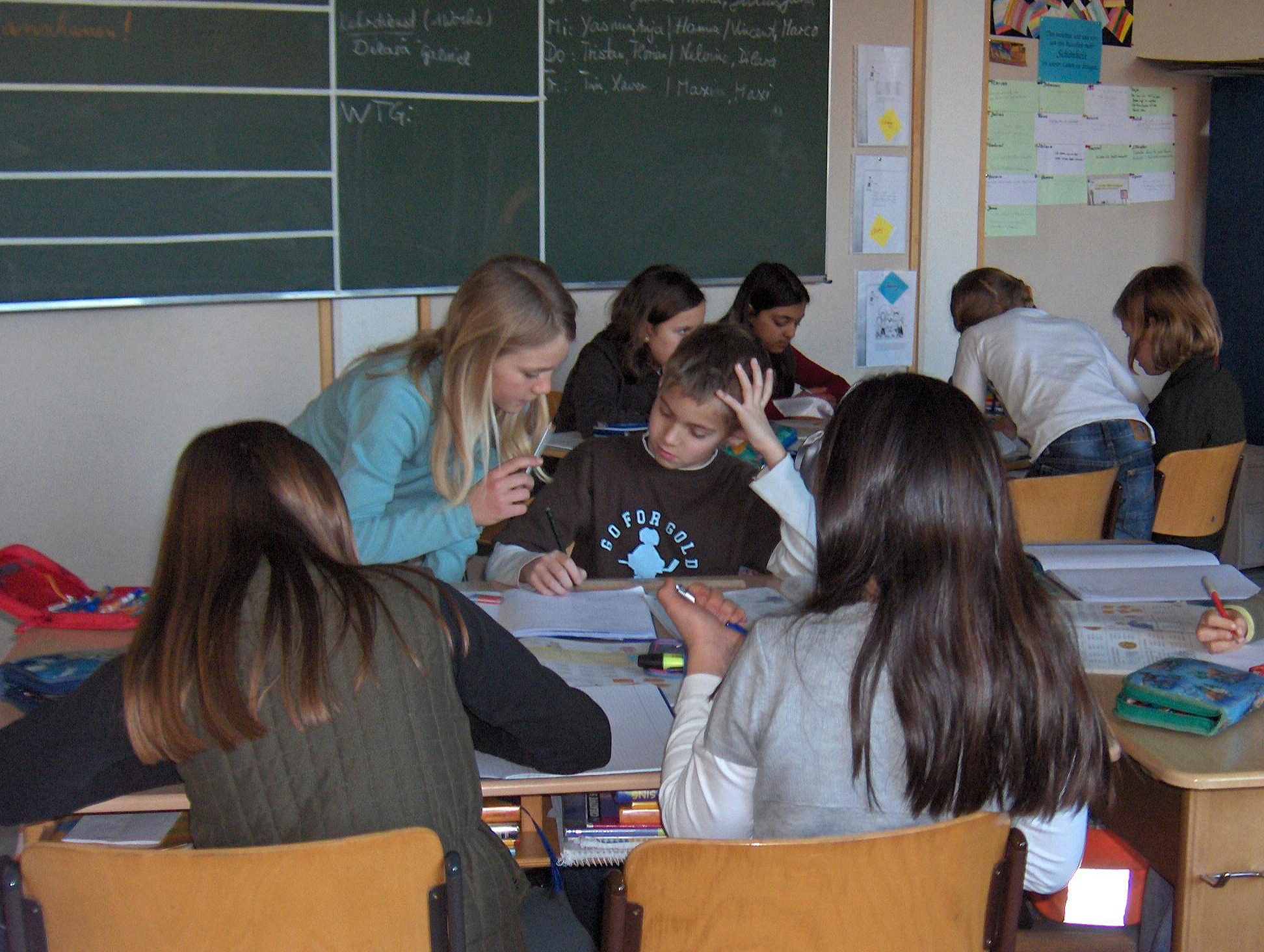
TEACHING METHODS
A true educator is not one who simply teaches facts. But rather, a person who shows students how to think for themselves, to find answers to their own questions based on the principles that they have learned, and to not depend solely on him to solve their problems. A teacher must act modestly with his students. If he does not know something, he must not feign the opposite. He must recognize the fact and find the answer. An academician is always studying and learning.
A teacher must divine and uncover each studentâs strong points; the outstanding qualities that the student in fact has and not those that the educator thinks that he should possess. The objective is to assist the student in becoming a professional capable of standing on his own two feet.
A teacher who is too severe, who sees himself as essentially a disciplinarian, will never be a good instructor since education is built on a foundation of love and caring. Of course, teaching requires authority; however, even in an instance of discipline, the student must feel that the teacher really cares for his well being.
No one has ever been forced to become teacher. Consequently, educators must give their best and use precise language with a vocabulary that students can readily understand. They must continually motivate their students. This includes preaching by example and proper actions, and never by behaving in a manner suggesting, “Do as I say, not as I do”. It is essential to understand the difference between saying and doing. In addition, it is important to realize that a person can only be sincere when his thoughts, words and actions are consistent with each other. If a person freely chooses to enter teaching and is not motivated nor strives to fulfill his work in a responsible way, he should leave the teaching profession.
When a person learns to think for himself, he receives a deep sense of satisfaction because he acts on his own initiative. Teaching also requires a sense of humility. Because of this, it is important to remember that a teacher is not the source of information, but rather a vehicle for information that comes from many sources. An academician should never be arrogant in disseminating knowledge; on the contrary, he should feel blessed for having the opportunity to introduce students into the new world of information.
Because of this, it is important to remember that a teacher is not the source of information, but rather a vehicle for information that comes from many sources. An academician should never be arrogant in disseminating knowledge; on the contrary, he should feel blessed for having the opportunity to introduce students into the new world of information.
Training is a process that never ends. One readily apparent example is sports training. To be effective, it must be conducted in an atmosphere of trust and confidence. Trainers must be patient, sensitive, and willing to delegate authority, award recognition and commend work well done. Efficient trainers develop the strengths and potentials of their pupils; they help them to overcome their weaknesses. Training requires time, dedication and perseverance; nevertheless, if it is imparted correctly, it reduces the investment of effort and money, and helps to prevent unpleasant errors.
A story about Albert Einstein (1879-1955; U.S. physicist, born in Germany; awarded a Nobel Prize in physics) tells of a student who, during a final exam in physics, said to him, “Professor, these questions are the same as last yearâs“, to which Einstein responded, “Yes, but this year the answers are different”. This simple anecdote serves to illustrate that what may have appeared to be an unquestionable fact yesterday, could be entirely untrue today.
TEACHING ATTRIBUTES
The proper handling of didactic, scientific and humanistic knowledge is basic for an adequate teaching process. The ongoing application of high moral values and universally accepted good manners are fundamental for the development of teaching.
The universityâs primary mission is to furnish the country with knowledgeable and ethical individuals. That is, people who, through their personal and professional activities, can assume positions of leadership in the community. This thorough conformation is the result of the geometric addition of the vigorous enforcement of the universityâs moral principles plus the teachersâ enthusiastic activity.
Impartiality
If a teacher feels biased in favor of or against a (some) student(s), he has the moral duty to excuse himself from making any evaluations that could admit subjective elements. All teachers have the ethical obligation to be impartial, to never humiliate a student and to never make deriding remarks. Some teachers might have difficulty fulfilling this responsibility. In general, human beings tend to justify their attitudes and erroneous actions citing reasons that are not usually objective. The dynamics of hate or prejudice has no place in teaching. In the beginning of his poem, A Divine Image, William Blake (English poet, 1757-1827) wisely says, “Cruelty has a human heart”.
Biases, in favor of, or against, a person (people) can be very subtle and, as a result, easy to camouflage or to justify. Nevertheless, they usually turn out to be beneficial or harmful to the people involved. All favoritism and negative prejudice are unjust and, consequently, unethical. These behaviors are unacceptable, since teachers must treat all students with fairness.
Tolerance
Students are not our peers; therefore, we cannot nor should we even try to demand of them what is expected of a dentist. Nor can we expect them to perform what we ourselves are incapable of doing. Students are our friends. They must always receive the benefit of the doubt. Eventually, these students of dentistry will become our colleagues.
Vulgarity has no place whatsoever in teaching or in instructing, nor do offensive comments. Helen Keller (1880-1968, U.S. writer and lecturer, and deaf and blind educator of the blind) said, “Tolerance is the highest achievement that can be obtained from education”.
Behavior
The academic staff must constantly exhibit irreproachable behavior in their teacher-student relationship. Activities such as flirting, telling double-entendre jokes or making libidinous insinuations, and sexual harassment are inadmissible. Young people attend the School of Dentistry to study a profession. Their objective is to prepare themselves for life. Their goal is to obtain a Doctor of Dental Surgery (D.D.S.) or Doctor of Dental Medicine (D.M.D.) degree through disciplined study.
Academic evaluations must always be totally objective and impartial, and must io way be influenced by any attraction that might be felt for a student, or what this one might do to attract a teacher. Academic reports must be based solely on the studentâs conduct, knowledge, and academic as well as clinical performance. Never, under any circumstances, are the behaviors mentioned in the previous paragraph acceptable.
It is absolutely unacceptable, shameful and immoral what usually happens with teachers who take advantage of or abuse their position in the manner previously described. The mentioned ethical implications are especially relevant when we consider the large number of women who are presently electing a career in Dentistry.
Ethics
“Ethics”, which comes from the Greek word ethikos, means custom. It is the concept under which human beings live, and live together. It is the code of moral standards guiding us from the moment we are conceived. It directs relationships between people. In essence, it is: “Do unto others as you would have them do unto you”. Since ancient times human beings have been concerned about this concept. In the Bible is the story of the Serpent and Eve. In the biblical narration this despicable and deceitful animal convinces and persuades Eve, with its false interpretations, to fail to keep the Divine Law.
Dentistry is a service profession. For the most part, the general public believes in the integrity of its dentists. Unfortunately, some dentists confuse the “S” in service with the “S” that has a vertical line ($). Dental students also provide services to the patients they treat and from whom they learn so much. They, too, are subjected to pressures. These are in the form of grades and the fulfillment of all required practical clinical work. They, too, could end up confusing the two letters “S”.
Teachers must remind their students about a dentistâs ethical responsibilities. All oral health professionals are morally obligated to put forth their best efforts to help the sick. They also have the duty of representing the profession in a dignified manner. They must set an example and, at the same time, ensure full compliance with all universally taught and accepted moral precepts.
It is totally unacceptable for an academician to try to influence another member of the teaching staff with regard to the results of a studentâs examination. A teacher cannot recommend that a student passes or fails an exam, test or class. In addition to being a serious breach of the code of ethics, it is a severe act of disrespect as well as an insult.
Ethics embraces the entire intellectual range of all human beings. It includes every known discipline, from the mystical to the analytical, from the legal to the psychological, from the practical to the theoretical, from the concrete to the artistic. Its principles cannot be negotiated. We can affirm that our actions are ethical when we elect a path of behavior of which our parents will not be ashamed.
Pedagogy, however, is not just concerned with development of conceptual knowledge. An important part of science education is to teach students the social processes of consensus building and engage them in the social construction of meaning (Zeidler, 1997). In other words science education, like education in all fields, should encourage students to think about thinking, facilitate creativity and critical judgement, and favor development of self-awareness (APA, 1992;Zeidler, Lederman & Taylor, 1992).
There are many different definitions of pedagogy. Drawing from the work of Professor Robin Alexander, the National Strategies have developed the following work definition:
Pedagogy is the act of teaching, and the rationale that supports the actions teachers take. It is what a teacher needs to know, and the range of skills a teacher needs to use, in order to make effective teaching decisions.
Reference: Alexander, R. (2004) Still no pedagogy? Principle, pragmatism and compliance in primary education, Cambridge Journal of Education, 34(1), p11.
Teaching is complex. Teachers and other practitioners draw on a range of working theories and their own experiences in arriving at their views on how children learn and how their teaching can support this learning.
There is an increasingly strong body of evidence from research and practice that will help refine these views and inform pedagogical decisions; it recognisesthat certain methods work best for different kinds of learning. This has informed the pedagogical principles that underpin the Strategies’ guidance and advice.
Developing a shared understanding together with a common language to discuss pedagogy is the crucial first step towards transforming teaching and learning. This common understanding will ensure better continuity and progression at all stages of the learning journey.
It is helpful to consider this professional knowledge as four interrelated domains.
QUALITIES OF A GOOD TEACHER
Treatises on pedagogy draw up long catalogues of the qualities of a good teacher. We do not propose in this place to present one of these catalogues in which the pedagogic virtues are numbered, and which require the teachers to have ten or a dozen of them, more or less. The moral education of a teacher has nothing to gain from these fastidious nomenclatures. We shall simply say that the best teacher is he who has to the highest degree the disposal of intellectual and moral qualities ; he who on the one hand has the most knowledge, method, clearness, and vivacity of exposition, and on the other is the most energetic, the most devoted to his task, the most attached to his duties, and at the same time has most affection for his pupils.
It would be easy to show that each of these qualities or virtues is an element of discipline.
A teacher whose knowledge is not questioned, who is never obscure in his lessons, who speaks with exactness, will always be listened to with respect.
A teacher whose every act is known to be inspired by love for his pupils, has only to speak to be obeyed. He will govern by persuasion.
Especially a firm teacher, who possesses the serenity of conscious power, will inspire his pupils with a salutary respect which will make it impossible for them to fail in their tasks.
In discussing the law of 1833, Guizot stated the principal qualities which he expected of a teacher in the new schools, as follows :
“All our efforts and all our sacrifices will be useless, if we do not succeed in finding for the reconstructed public school a competent teacher worthy of the noble mission of instructing the people. It cannot be too often repeated that as is the teacher so is the school. And what a happy union of qualities is necessary to make a good school-master ! A good school-master is a man who ought to know much more than he teaches, in order to teach with intelligence and zeal; who ought to live in an humble sphere, and who nevertheless ought to have an elevated soul in order to preserve that dignity of feeling and even of manner without which he will never gain the respect and confidence of families; who ought to possess a rare union of mildness and firmness, for he is the inferior of many people in a commune. But he ought to be the degraded servant of no one; not ignorant of his rights, but thinking much more of his duties; giving an example to all, serving all as an adviser; above all, not desiring to withdraw from his occupation, content with his situation because of the good he is doing in it, resolved to live and die in the bosom of the school, in the service of common-school instruction, which is for him the service of God and of men. To train teachers who approach such a model is a difficult task; and yet we must succeed in it, or we have done nothing for common-school instruction. A bad school-master, like a bad cure or a bad mayor, is a scourge to a commune. We are certainly very often compelled to content ourselves with ordinary teachers, but we must try to train better ones, and for this purpose primary normal schools are indispensable.”
8. Technology as indispensible teaching tool
Technology is an increasingly influential factor in education. Computers and mobile phones are being widely used in developed countries both to complement established education practices and develop new ways of learning such as online education (a type of distance education). This gives students the opportunity to choose what they are interested in learning. The proliferation of computers also means the increase of programming and blogging. Technology offers powerful learning tools that demand new skills and understandings of students, including Multimedia, and provides new ways to engage students, such as Virtual learning environments. Technology is being used more not only in administrative duties in education but also in the instruction of students. The use of technologies such as PowerPoint and interactive whiteboard is capturing the attention of students in the classroom. Technology is also being used in the assessment of students. One example is the Audience Response System (ARS), which allows immediate feedback tests and classroom discussions.
Information and communication technologies (ICTs) are a “diverse set of tools and resources used to communicate, create, disseminate, store, and manage information.” These technologies include computers, the Internet, broadcasting technologies (radio and television), and telephony.
9. Pedagogical Material
- Books of all kinds: some will be of interest to teachers seeking classroom activities, practical teaching methods and evaluation grids. There are also books, the purpose of which is to address the needs and interests of the youth in the classroom such as school textbooks, encyclopedias, dictionaries as well as books on dinosaurs and the ozone layer.
- Kits or multimedia-packages: these may be comprised of a videocassette + an audiocassette + a teachers’ resources manual or guide + a student manual + a booklet of activities + a solutions manual + transparencies + manipulative pieces. There are also class-sets meaning a teachers’ resources manual or guide + 15 copies of the student manual. Again, one will find in the Centre a puppet + a teachers’guide and activity sheets.
- Games: Society games such as game boards with checkers, cubes, blocks, puzzles and card games.
- Picture books: in all shapes and sizes, from the pocket book to the giant size books that tell stories with a particular theme or that elevate the reader into the fantasy world with the help of colourful illustrations for the youngest.
- Child- , young adult- Fiction Works: one will find in the children collection such series as Paulette Bourgeois’ Franklin books and Linda Bailey’s Stevie Diamond Mysteries (KidsCan Press) or Bobbie Kalman’s Crabtree Series (Crabtree Pub. Co.) ; one will find in the Young Adult section Roy MacGregor’sScreech Owl’s Series (McLennan & Stuart) or Diana Wieler’s Ran Van trilogy (Douglas & McIntyre).
- Videos and DVDs: some are teacher resources used in illustrating a theory, a concept, a particular approach, others are for the young students and develop themes such as the environment, the government and the planets.
- Curriculum guidelines: these are Ontario Department of Education and Training curriculum guidelines covering all disciplines at the Elementary and Secondary levels.
- Posters: there are nearly 1,500 posters of all sizes and they cover a wide variety of topics. They are systematically organized by topic according to a proper classification scheme.
Periodicals: the Centre has approximately 125 subscriptions to teacher associatioewsletters, children magazines, journals that address concerns and interests of teachers of Mathematics, Science and History.
- CDs : these are increasingly popular and cover topics such as Second Languages, Geography and Mathematics. Some CDs may be loaned while others are to be used on-site only.
Puppets: there are puppets for the finger or the hand. For instance, one will find a butterfly, a dinosaur, a rabbit, a pig, a ladybird, a tortoise and a baby-bear.
- Models: these are used as explanatory devices, for instance, the nature of the brain or the heart.
References
1. Compayre, History of Pedagogy (Boston: 1886), p. 393.
2. Learning theories. Available at:
http://en.wikipedia.org/wiki/Learning_theory_%28education%29
3. http://georgeyonge.net/translations/Didactic%20Pedagogics
QUESTIONS: CHECK YOURSELF
1. What is education?
2. When did education appear?
3. Explain the terms: education, teaching, instruction, training.
4. What are the main stages of obtaining education?
5. What is didactics?
6. What is didactic method?
7. What is learning?
8. What learning modes do you know?
9. What is peculiar about learning in different age groups?
10. What main learning theories are recognized?
11. What is curriculum?
12. What components of teaching process can you name?
13. What methodologies for teaching can you name?
14. What are the attributes of teacher’s personality?
15. What pedagogical materials are distinguished?
v Education, School and Pedagogical Thought in Primitive, Slave and Feudal Societies.
* Community primitive
* Slave Society
* Feudal Society
* Socialist Society
Primitive community
The emergence of man meant one of the greatest changes made in the development of nature. This transformation reached its climax when human ancestors were able to attach the stick to the stone, beginning to produce their rudimentary tools. The creation of these rudimentary instruments work led to the separation of man from the animal kingdom.
The process that took man to master the blind forces of nature, passed with extraordinary slowness, because their tools were primitive, poorly crafted, unpolished.
It was a form of communal organization in which there was neither the state nor private property. Production and food gathering was a group activity and were spread equally among all, according to their needs.
There was only one form of organization based on the Matriarchy, ie residing in the control women.
Slave Society
It is characterized by human labor or services obtained through force and the person is considered as the property of its owner, who has him at will. Since ancient times, the slave is legally defined as a commodity that the owner could sell, purchase, gift or exchange for a debt, without the slave to exercise any rights or personal or legal objection. Often there are ethnic differences between the slave trader and slave, because slavery is usually based on a strong racial prejudice, according to which ethnic group to which the handler is considered superior to that of slaves. It is very unusual for slaves to be members of the same ethnic group as the owner, but one of the few exceptions occurred in Russia during the seventeenth and eighteenth centuries.
The practice of slavery dates back to prehistoric times, although its institutionalization probably occurred when agricultural advances made possible organized societies in which slaves were needed for certain functions. To get it conquered other peoples, some individuals were or what they did with family members to pay debts or were enslaved as punishment for criminals.
* Features:
* An economy based mainly on agriculture, supplemented by hunting, and fishing, like trade. There was an ancient civilization like the Greeks, whose main activity was trade.
* Ancient societies were characterized by the deification of the ruler who makes the laws, therefore, is deified the state. This did not happen in Greece because he was an enlightened society, where he was well aware of governance and human laws.
* Inequality generally originated from the following classes:
* A) Nobility – Slave
* B) Warriors and Priests
* C) Traders
* D) Peasants
* E) Slaves
In these classes, the most important was that of the peasants, as was the labor force that was holding the economy of society.
* Individuals relied more on the powers of the gods than technology, so that the work was crude and primitive, and depended mainly on the strength of the human being.
Feudal Society
Feudalism as an institution arises from the crisis experienced by the society of the Roman Empire. The security situation subsequent to this led to the Germanic leaders need to surround himself with faithful who can trust to ensure their personal safety and as an aid to possible military campaigns. This model became the Carolingian in its governance, so that the sovereign territory administered by the assistance of a retinue or “palace” constituted by territorial lords, bishops and abbots.
With the brunt of the war in this society, little by little more than giving priority to the military gentlemen, by granting possessions, initially had for life but, over time, were becoming hereditary.r> With Quierzy Chapterhouse, Charles the Bald, also recognized as hereditary powers exercised on behalf of the king, so that the public authority was broken up among a large class of gentlemen. With this, the scheme was replicated at lower levels, so that took a pyramidal structure and encouraged the emergence of a new class of professional warriors or knights. These rural estates that they had ensured the preservation of its military equipment, mainly the horse, in exchange for assisting with the higher Mr needed it.
In this society, there were two different social classes:
* A) The feudal nobility
* B) The peasants-serfs
This company depended mainly on agriculture and every feud produced everything it needed, so that trade was practically nil.
The peasant was called serfs, which means servant of the earth. Although no longer a slave as in antiquity, was a servant who was to remain throughout her life to the land they worked.
* Elements of feudal society:
Feudalism is a phenomenon of the Frankish kingdom, ie the territories included between the rivers Rhine and Loire, which was accelerated by civil wars and invasions that experienced during the centuries following the Carolingian Empire, and structured around two key elements vassalage and the fief. Given the security situation, many landowners sought shelter and protection of other more powerful lords in return for ceding their allegiance and fidelity or a census or tax. Thus, the small property he would become feudal or census-type, respectively. Messrs. intermediate between them and the real authority was gaining more power, both on land and on people linked to it, so that the property was gradually fading off. To ensure the loyalty of the vassal, the master gave him a good return real nature, the feud, it was materialized in the form of land or rights, but never with full ownership over it.
The agreement between the two was done through the ceremony of homage, by which a vassal swore loyalty to the Lord, and he welcomed him, offering defense and protection. The fidelity was generally focused on the military field, so that the vassal to his master was obliged to provide assistance in case of war, although the type of help varied greatly between places or times. Thus, it could be, among other obligations, to fight alongside them, loans, simple monitoring services, a contribution to the financial burdens posed by the campaigns or even participate in ransom if one was captured. In some areas, such as France or Germany, the vassal was to advise the master in making important decisions.
Over time, the title of the fief became hereditary, but the tribute was to be renewed on each transmission. This fact contributed to the concentrate or, as appropriate, fiefs were divided so that the main subjects in turn became lords of other lower-level subjects, who could do the same. Thus, several figures emerged as the wardens or Castilian, responsible for the administration and defense of a castle and the lands that belonged to it also available to other fighters under his command, or ministries, judges, notaries and older, figures all of them civil, responsible for representing the public authority in its various orders.
All this variety of characters led to the emergence of hierarchy between them, but sometimes became a source of conflict, as there were cases in which a vassal himself while it was more of a man, or men of a similar level in the hierarchy are facing each other. To avoid this, in France in the twelfth century appeared the possibility that a servant could be traced even to the king, as the highest authority in order to appeal decisions of his master.
* The feudal economy:
The whole system was based, as we see in mutual assistance between lord and vassal, the latter’s military type in most cases, this implied the need for resources to cover the expense involved keeping a horse a castle or a military contingent. For this reason, the feud should be able to generate sufficient income who wielded. Feudal control over the perceived benefits which could be in kind or cash, as working days in the lands of the lord, paying taxes, levies and duties, or the use of certain services or goods (mills, hills, bridges or roads); exceptionally Mr could also receive income from land sales or redemption of bonds.
Among the many figures that were created to raise revenue, highlights the tithe, a perception that Mr charged for maintenance and repair of a temple that was used by villagers as a parish. The feudal lords were not necessarily military, but the church itself was also integrated in this system. The cathedrals, abbeys and monasteries were also possessions, and thus became the tenth one of their main sources of resources.
Finally, with these economic rights clearly pecuniary, there were other more subtle, known by the generic name of banal, common in the XII and XIII. Consisted of the imposition of the type to go exclusively to mill, sir, for instance, or prohibitions on carrying out certain tasks of the field until a certain date, so that Mr. could sell before production. These rights were more of a court, they were imposed directly by the Lord by proclamation (bannum, hence its name).
Capitalist Society
Capitalist society or industrial society refers to all social classes living in modernity, and which can be divided from perspectives that range from theory antagonistic bi-class (proletariat / bourgeoisie) to multiple analysis of contemporary sociology.
Capitalist or industrial society is born of political and economic relationship of the cultural transformations that gave way to modernity (bourgeois revolutions) where there is a foundation that places man as an unlimited being. This idea was supported by the so-called theory of continuous progress, born of the religious foundations of linear time and allowed a revolutionary way of seeing the world through the industrialization which developed into a progressive secularization (loss of religious interference) with which was completed making the modern revolution that marked a before and after in human history. However, late twentieth-century modernity begins a rapid process of questioning in which capitalist society takes a new direction, away from their industrial origin and addressing the so-called postmodern society in which capitalism becomes a new dimension of process recent. The causes are related to ecological deterioration, the crisis of fundamental social institutions and deindustrialization.
The general characteristics of capitalism are:
* A) Major industrial development
* B) World Trade Intensive
* C) System of presidential and parliamentary government
* D) Appearance of the working class and modernization of labor laws
* E) Freedom of religion and thought
Socialist Society
It differs from capitalism because, unknown private property and free enterprise.
The socialist countries also have great industrial and commercial development.
In the socialist system eliminates the private ownership of the means of production to achieve a classless society. In practice, the socialist system defines a form of state ownership over means of production.
In Europe and Asia, the former socialist countries like USSR, in the decade of the 90 have returned to the capitalist system, because they saw that freedom of action in the economic field was much better than an economy controlled by the state.
At present a moderate form of socialism, democratic socialism, as practiced in some European countries, where the state directs few economic sectors, such as fuel, gas, telecommunications, electric power. This democratic socialism is also trying to establish in America, in countries such as Venezuela, Chile, Brazil.
v School and Pedagogical Thought in Renaissance Epoch.
The Renaissance is one of the most interesting and disputed periods of European history. Many scholars see it as a unique time with characteristics all its own. A second group views the Renaissance as the first two to three centuries of a larger era in European history usually called early modern Europe, which began in the late fifteenth century and ended on the eve of the French Revolution (1789) or with the close of the Napoleonic era (1815). Some social historians reject the concept of the Renaissance altogether. Historians also argue over how much the Renaissance differed from the Middle Ages and whether it was the beginning of the modern world, however defined.
The approach here is that the Renaissance began in Italy about 1350 and in the rest of Europe after 1450 and that it lasted until about 1620. It was a historical era with distinctive themes in learning, politics, literature, art, religion, social life, and music. The changes from the Middle Ages to the Renaissance were significant, but not as great as historians once thought. Renaissance developments influenced subsequent centuries, but not so much that the Renaissance as a whole can be called “modern.”
THE RENAISSANCE VIEW OF THE RENAISSANCE
The term “Renaissance” comes from the Renaissance. Several Italian intellectuals of the late fourteenth and the early fifteenth centuries used the term rinascità (‘rebirth or renaissance’) to describe their own age as one in which learning, literature, and the arts were reborn after a long, dark Middle Ages. They saw the ancient world of Rome and Greece, whose literature, learning, and politics they admired, as an age of high achievement. But in their view, hundreds of years of cultural darkness followed because much of the learning and literature of the ancient world had been lost. Indeed, Italian humanists invented the concept of the “Middle Ages” to describe the years between about 400 and 1400. Scholastic philosophy, which the Italian humanists rejected, and a different style of Latin writing, which the humanists viewed as uncouth and barbarous, prevailed in the Middle Ages. But Italian humanists believed that a new age was dawning. In the view of the humanists, the painter Giotto (d. 1337) and the vernacular writer and early humanist Francesco Petrarch (1304–1374) led the rebirth or Renaissance. Most Italian intellectuals from the mid-fifteenth century on held these views.
Northern Europeans of the sixteenth century also reached the conclusion that a new age had dawned. They accepted the historical periodization of ancient, medieval, and Renaissance and added a religious dimension. Desiderius Erasmus (c. 1466–1536), the great Dutch humanist, and his followers looked back to two ancient sources for inspiration: the secular learning of ancient Greece and Rome, and Christianity of the first four centuries. The former offered models of literature, culture, and good morality, while the New Testament and the church fathers, such as Sts. Augustine (354–430) and Jerome (c. 347–419/420), combined pristine Christianity with ancient eloquence. But then barbarous medieval culture replaced ancient eloquence, and, in their view, the theological confusion of medieval Scholasticism obscured the message of the New Testament. Erasmus and his followers dedicated themselves to restoring good literature, meaning classical Greek and Latin, and good religion, meaning Christianity purged of Scholastic irrelevance and clerical abuses. They believed that Christians could best live moral lives and attain salvation in the next life by following both Cicero and the New Testament. They believed that there were no real differences between the moral precepts found in the pagans of ancient Greece and Rome and the Bible.
CHRONOLOGY
A cluster of dates marks the beginning of the Renaissance era. The majority of scholars view the early humanist and vernacular writer Petrarch as the first important figure. He strongly criticized medieval habits of thought as inadequate and elevated ancient ideals and literature as models to emulate. By the period 1400 to 1450 numerous Italian intellectuals agreed with Petrarch’s criticism of the Middle Ages and support for a classical revival. The result was the intellectual movement called humanism, which came to dominate Italian Latin schooling, scholarship, ethical ideas, and public discourse and spread to the rest of Europe in the late fifteenth and early sixteenth centuries. Both contemporaries and modern historians also see the Great Plague of 1348 to 1350, with its huge demographic losses (30 to 50 percent in affected areas) and psychological impact as another dividing point between Middle Ages and Renaissance. Next, a series of major political changes between 1450 and 1500 marked a new political era that was uniquely Renaissance. Spain, France, and England emerged as powerful territorial monarchies in the last quarter of the fifteenth century. Their quarrels with each other and interventions in the affairs of smaller states through the next 150 years dominated European politics. Finally, the invention of movable type in the 1450s by Johannes Gutenberg (c. 1398–1468) created a break with the medieval past in the production and dissemination of books that was so great that it is difficult to measure. By the end of the year 1470, some nineteen towns had printing presses; by 1500 some 255 towns had presses, and the spread of printing was far greater in the sixteenth century. An efficient system of distribution and marketing spread printed books to every corner of Europe. The greater availability of books had an impact on practically every area of life, especially intellectual and religious life, so immense as to be beyond measurement.
HUMANISM
Humanism was the defining intellectual movement of the Renaissance. It was based on the belief that the literary, scientific, and philosophical works of ancient Greece and Rome provided the best guides for learning and living. And humanists believed that the New Testament and early Christian authors offered the best spiritual advice.
The nineteenth century invented the term “humanism.” But humanism is based on three Renaissance terms.Studia humanitatis meant humanistic studies, which were grammar, rhetoric, poetry, history, and moral philosophy based on study of the standard ancient authors of Rome and, to a lesser extent, Greece. This is the famous definition presented in 1945 by the eminent historian Paul Oscar Kristeller (1905–1999) and now widely accepted. The Renaissance also used and praised humanitas, an ancient Latin term meaning the good qualities that make men and women human. And the Renaissance invented a new term, humanista. It first appeared in Italian in a University of Pisa document of 1490. By the end of the sixteenth century it had spread to several European vernacular languages and was occasionally used in Latin. A humanista was a student, teacher, or scholar of the humanities.
Humanism became institutionalized in society as a new form of education. Around 1400 a number of Italian pedagogical leaders decided that the traditional medieval curriculum for Latin schools, consisting of studying medieval authors and a few ancient poetic classics, or portions of them, and learning to write formal letters in Latin according to nonclassical rules, was inadequate. They proposed a new curriculum and approach. Pier Paolo Vergerio (c. 1368–1444) wrote the first and most important humanist pedagogical treatise, called De Ingenuis Moribus et Liberalibus Studiis Adulescentiae (Ooble customs and liberal studies of adolescents) in 1402 or 1403. He argued that the best way to foster good character, learning, and an eloquent Latin style in speech and writing was to teach humanistic studies. He gave pride of place to history, moral philosophy, and eloquence, a novel emphasis. Boys trained in humanistic studies would be ready to become honorable leaders in society as adults. Vergerio’s treatise had enormous resonance: More than one hundred manuscripts can be found in Italian libraries, and Italian presses produced more than thirty incunabular (printed before 1501) editions. It enjoyed similar diffusion iorthern Europe.
Humanism was more than skill in Latin. It tried to teach the principles of living a moral, responsible, and successful life on this earth. Parents came to believe that a humanistic education would best prepare their sons, and a few daughters, for leadership positions, such as head of a family, member of a city council, judge, administrator, or teacher. Humanistic studies provided the fundamental education. Training in the specialized disciplines of law, medicine, philosophy, or theology came later for those needing them. By about 1550 the English clergyman, the French lawyer, the German knight, the Italian merchant, and the Spanish courtier shared a common intellectual heritage. They could communicate across national frontiers and despite linguistic differences. They shared a common fund of examples, principles, and knowledge derived from the classics. Humanism brought intellectual unity to Europe.
Humanism also included a sharply critical attitude toward received values, individuals, and institutions, especially those that did not live up to their own principles. The humanists’ study of ancient Rome and Greece gave them the chronological perspective and intellectual tools to analyze, criticize, and change their own world. Humanists especially questioned the institutions and values inherited from the Middle Ages. They found fault with medieval art, government, philosophy, and approaches to religion. Once the humanist habit of critical appraisal developed, many turned sharp eyes on their own times. And eventually they turned their critical gaze on the learning of the ancient world and rejected parts of it.
SCIENTIFIC AND PHILOSOPHICAL LEARNING
Renaissance scholars inherited from the Middle Ages intellectual views and approaches in philosophy, medicine, and science, and challenged almost all of them. In astronomy they inherited a conception of the universe originating in Ptolemy (c. 100 c.e.–c. 170 c.e.) of the ancient world that the sun revolved around the Earth. Nicolaus Copernicus (1473–1543) in his De Revolutionibus Orbium Caelestium (1543; On the revolutions of the heavenly orbs) argued the reverse, that the Earth and other planets revolved around the sun. Despite bitter opposition from both Catholic and Protestant religious authorities, his views prevailed with most astronomers by the early seventeenth century. Galileo Galilei (1564–1642) absorbed Aristotelian science and then rejected it in favor of a mathematically based analysis of physical reality, the modern science of mechanics. And along the way he offered evidence that Copernicus’s daring view was not just mathematical hypothesis but physical reality. Another mathematical achievement affecting Europe and the rest of the world in future centuries was calendar reform. Renaissance Europe inherited the Julian calendar of ancient Rome, which was ten days in arrears by the sixteenth century. Pope Gregory XIII (reigned 1572–1585) appointed a team of scholars to prepare a new calendar and in 1582 promulgated the Gregorian calendar still used today.
Renaissance medical scholars inherited an understanding of the human body and an approach to healing based on the ancient Greek physician Galen (c. 129–c. 199 c.e.), Aristotle (384–322 b.c.e.), and medieval Arab medical scholars. But a group of medical scholars called “medical humanists” by modern scholars challenged and altered received medical knowledge. Led by Niccolò Leoniceno (1428–1524), who taught at the universities of Padua and Ferrara, they applied humanistic philological techniques and ideological criticism to both medieval and ancient medical texts, found them wanting, and proceeded to investigate the human body anew. As a result, Andreas Vesalius (1514–1564) through his anatomical studies, William Harvey (1578–1657) through his study of the circulation of the blood, and other scholars revolutionized medical research and instruction. Several Renaissance medical scholars gave their names to parts of the body; for example, the eustachian tube between the ear and the nose is named for Bartolomeo Eustachi (1500/10–1574), and the fallopian or uterine tubes are named for Gabriele Falloppia (1523–1562).
Most of the innovative research in science, medicine, philosophy, and law came from universities. The Renaissance saw a great expansion in the number and quality of universities. It inherited twentynine functioning universities from the Middle Ages in 1400, then created forty-six new ones by 1601, losing only two by closure in between. This left Europe with sixty-three universities, more than double the medieval number. Demand for new universities came from several directions. Most important, increasing numbers of men wanted to learn. Society also needed more trained professionals. Monarchs, princes, and cities required civil servants, preferably with law degrees. A medical degree enabled the recipient to become a private physician, a court physician, or one employed by the town. The Protestant and Catholic Reformations stimulated the demand for theology degrees.
Universities provided stipends and other support for scholars. Since the universal language of learning was Latin and the printing press could publish new information, scientific communication was rapid and overcame the religious division of sixteenth-century Europe. University students to a lesser extent also crossed religious frontiers. The adoption of Roman law in central Europe created a demand for lawyers and judges trained in this field, which meant that both Catholic and Protestant Germans continued to study in Italian universities, the centers for the study of Roman law.
RENAISSANCE POLITICS
Renaissance states had three basic forms of government: princedoms, monarchies, and oligarchies, which the Renaissance called republics.
Princedoms. A prince was an individual, whether called duke, count, marquis, or just signore (lord), who ruled a state, usually with the support of his family. The term “prince” meant the authority to make decisions concerning all inhabitants without check by representative body, constitution, or court. But the source of the prince’s power and the nature of his rule varied greatly. He often had displaced another ruler or city council by force, war, assassination, bribery, diplomacy, purchase, marriage, or occasionally because the city invited him in to quell factionalism. Most often a prince came to power through an adroit combination of several of these. Once in control, he promulgated laws of succession to give himself a cloak of legitimacy so that his son or another family member might succeed him. Indeed, some inhabitants of the state would see him as legitimate and be content to be ruled by him.
Princely power was seldom absolute. Most princes depended on some accommodation with powerful forces within the state, typically the nobility or the merchant community. Many small princedoms depended on the good will of more powerful states beyond their borders to survive, and this limited options in foreign policy. And the prince’s rule was always uneasy, which was one reason he relied on hired mercenary troops in war, instead of a militia created from his subjects. However achieved, what mattered most was that the prince possessed effective power to promulgate and enforce laws, to collect taxes, to defeat foreign invaders, and to quell rebellion. If the prince commanded the affection and loyalty of his subjects, this made his task easier. Italy and central Europe had an abundance of princedoms, including the states of Ferrara, Mantua, Milan, Parma, Piedmont-Savoy, and Urbino iorthern Italy, and Bavaria, Brandenburg, Burgundy, Brunswick-Lüneberg, Luxembourg, the Palatinate, Albertine and Ernestine Saxony, and Württemberg in central Europe.
Monarchies. A monarchy was a princedom sanctioned by a much longer tradition, stronger institutions, and greater claims of legitimacy for its rulers. The majority of monarchies (for example, England, France, Portugal, Scotland, and Spain) were hereditary, while Poland, Hungary, Bohemia, and the Holy Roman Empire were elective. Monarchies typically were larger than princedoms and ruled subjects speaking multiple languages and dialects. Monarchies usually had developed laws and rules that determined the succession in advance. Only when the succession was broken through the lack of a legitimate heir, a bitter dispute within the ruling family, or overthrow by a foreign power was a monarch displaced by another.
Monarchies grew in power and size in the Renaissance. The creation of the dual monarchy of Ferdinand of Aragón and Isabella of Castile between 1474 and 1479 created a powerful Spain that ruled the entire Spanish peninsula except Portugal, and Portugal as well from 1580 to 1640. The Tudor monarchy of England (three kings and two queens from 1485 to 1603) made England, previously a small, strife-torn, and remote part of Europe, into a major force. After the conclusion of the Hundred Years’ War with England (1337–1453), France under the Valois dynasty (ruled 1328 to 1589) became a powerful and rich state. Conflicts between territorial monarchies dominated international politics and war in the Renaissance.
Republics. The smallest and most unusual political unit was the city-state consisting of a major town or city and its surrounding territory of farms and villages. Oligarchies, usually drawn from the merchant elite of the town, ruled republics. Flanked by the professional classes, the merchant community first dominated the commerce of the city. Then in the Middle Ages they threw off the authority of prince, king, or emperor. In their place the merchants created a system of government through interlocking and balanced councils. Large deliberative assemblies, comprising of one hundred, two hundred, or more adult males, elected or chosen by lot, debated and created laws. Executive committees, often six, eight, or a dozen men elected for two to six months, put the laws into action. Short terms of office and rules against self-succession made it possible for several hundred or more adult males to participate in government in a few years. The system of balanced and diffused power ensured that no individual or family could control the city. It was a government of balanced power and mutual suspicion.
Borrowing terminology and legal principles from ancient Roman law and local tradition, the men who formed oligarchies called their governments “republican” and their states “republics.” They believed that their rule was based on the consent of the people who mattered. But they were still oligarchies, because only 5 to 20 percent of the adult males of the city could vote or hold office. Members of government almost always came from the leading merchants, manufacturers, bankers, and lawyers. Some republics permitted shopkeepers and master craftsmen to participate as well. But workers, the propertyless, clergymen, and other middle and low groups in society were excluded. Occasionally the laws conceded to them extraordinary powers in times of emergency. Those living in the countryside and villages outside the city walls had neither a role in government nor the right to choose their rulers. Indeed, the city often exploited them financially and in other ways. Venice, Genoa, Lucca, Florence, Pisa, and Siena in Italy, and Augsburg, Nuremberg, Strasbourg, and the Swiss cantons were republics. Some city-state republics were small in comparison with monarchies and princedoms. But the Republic of Venice commanded an overseas empire of considerable size and commercial importance, while Florence’s merchants and bankers played a large role in international trade, and the city participated forcefully in Italian politics.
Renaissance Europe presented a constantly shifting political scene. No government escaped external threats and very few avoided internal challenge. The numerous weak small states tempted powerful rulers and states. Despite their eloquent proclamations in defense of the liberty of states and citizens, republics were just as aggressive in conquering their weaker neighbors as were princedoms, while monarchies were always on the watch for another princedom, landed noble estate, or republic to absorb. It was the same within the state. Some powerful group or individual within the state would attempt through force or stealth to take control and change its nature. Many succeeded. The maneuvering for advantage, the shifting diplomatic alliances, plots, threats of war, and military actions made Renaissance politics extremely complex.
Two broad political developments prevailed. Princedoms grew iumber and strength, and more powerful states, especially monarchies, absorbed smaller states. Republican city-states became princedoms, as a powerful individual or family within the city took control while maintaining a facade of republican institutions and councils. The gradual transformation of the Republic of Florence into a princedom ruled by members of the Medici family is the classic example. Meanwhile, princedoms fell into the hands of monarchies through military action or dynastic marriages. Three examples will suffice. France and the Habsburgs divided the Duchy of Burgundy between them when its duke, Charles the Bold, was killed in battle in 1477, leaving no male heir; Spain took control of the Kingdom of Naples by military force in 1504; and Spain absorbed the Duchy of Milan as the result of an alliance when the Duke Francesco II Sforza died without an heir in 1535. Strong republics also grew at the expense of their neighbors. The Republic of Venice conquered almost all the independent towns and small princedoms iortheastern Italy in the first half of the fifteenth century in its successful drive to create a mainland state. Small states survived at the price of careful neutrality, which avoided giving offense to more powerful neighbors, or by aligning themselves with larger powers. Such alliances came at a price. The small state lacked an independent foreign policy and might itself become a victim if the larger state fell.
DIPLOMACY AND POLITICAL THOUGHT
The very complex and ever-shifting political reality stimulated the rapid development of diplomacy. The resident ambassador, that is, a permanent representative of one government to another, was a Renaissance innovation. He went to live in the capital city or court of another state where he conveyed messages between his government and the host government. Or to use the words that Sir Henry Wotton (1568–1639), the English ambassador to Venice, supposedly wrote in 1604, “a resident ambassador is a good man sent to tell lies abroad for his country’s good.” Perhaps more important than the messages, or lies, was the information that the resident ambassador and his staff gathered about the host country. Ambassadorial reports full of every kind of information are invaluable sources for modern scholars studying the Renaissance. The reports of papal nuncios and Venetian ambassadors are particularly useful.
The instability of forms of government, the many wars, and the fluidity of international politics stimulated an enormous amount of discussion about politics, including several masterpieces of political philosophy. NiccolòMachiavelli (1469–1527), having observed both, wrote about princedoms in his Il principe (The Prince, written in 1513), and on republics in Discorsi sopra la prima deca di Tito Livio (Discourses on the first ten books of Titus Livy, written 1514–1520). Numerous humanists wrote treatises advising a prince or king how he might be a good prince, work for the good of his people, and, as a result, see his state and himself prosper. Erasmus wrote the most famous one, Institutio Principis Christiani (1516; Education of a Christian prince). Jean Bodin (1530–1596) argued that state and society needed the stability that only a sovereign and absolute power can provide, and that this must be the monarchy, in his Six livres de la république (1576; Six Books on the commonwealth; in Latin, 1586).
VERNACULAR LITERATURE
Vernacular literatures flourished in the Renaissance even though humanists preferred Latin. In 1400 standard English, French, German, Portuguese, Spanish, and other vernaculars did not exist. People spoke and sometimes wrote a variety of regional dialects with haphazard spelling and multiple vocabularies. Nevertheless, thanks to the adoption of the vernacular by some governments, the printing press, and the creation of literary masterpieces, significant progress toward elegant and standard forms of modern vernaculars occurred.
German was typical. German-speaking lands inherited many varieties of German from the Middle Ages. In the fifteenth century some state chanceries began to use German instead of Latin. Hence, versions of German associated with the chanceries of more important states, including the East Middle Saxon dialect used in the chancery of the electorate of Saxony, became more influential. Next, printing encouraged writers and editors to standardize orthography and usage in order to reach a wider range of readers. Most important, Martin Luther (1483–1546) published a German translation of the Bible (New Testament in 1522; complete Bible in 1534), which may have had three hundred editions and over half a million printed copies by 1600, an enormous number at a time of limited literacy. And many began to imitate his style. Since he wrote in East Middle Saxon, this version of German eventually became standard German. Literary academies concerned about correct usage, vocabulary, and orthography rose in the seventeenth century to create dictionaries. A reasonably standardized German literary language had developed, though the uneducated continued to speak regional dialects.
Similar changes took place in other parts of Europe, with the aid of Renaissance authors and their creations. In Italy three Tuscan authors, Dante Alighieri (1265–1321)—medieval in thought but using Tuscan brilliantly—Petrarch, and Giovanni Boccaccio (1313–1375) began the process. Literary arbiters, such as Pietro Bembo (1470–1547) insisted on a standard Italian based on the fourteenth-century Tuscan of Dante, Petrarch, and Boccaccio. Major sixteenth-century writers, including Ludovico Ariosto (1474–1533), Baldassare Castiglione (1478–1529), and Torquato Tasso (1544–1595), agreed. None of the three was Tuscan, but each tried to write, and sometimes rewrote, their masterpieces in a more Tuscan Italian. Then the Accademia della Crusca (founded in Florence in the 1580s) published a dictionary. Tuscan became modern Italian. William Shakespeare (1564–1616) and three English translations of the Bible, that of William Tyndale (printed 1526 and 1537), the Geneva Bible of 1560, and the King James Bible of 1611, had an enormous influence on English. The writers and dramatists of the Spanish Golden Age, particularly Miguel de Cervantes Saavedra (1547–1616), did the same for the Castilian version of Spanish.
ART
Art is undoubtedly the best-loved and -known part of the Renaissance. The Renaissance produced an extraordinary amount of art, and the role of the artist differed from that in the Middle Ages.
The Renaissance had a passion for art. Commissions came from kings, popes, princes, nobles, and lowborn mercenary captains. Leaders commissioned portraits of themselves, of scenes of their accomplishments, such as successful battles, and of illustrious ancestors. Cities wanted their council halls decorated with huge murals, frescoes, and tapestries depicting great civic moments. Monasteries commissioned artists to paint frescoes in cells and refectories that would inspire monks to greater devotion. And civic, dynastic, and religious leaders hired architects to erect buildings at enormous expense to beautify the city or to serve as semipublic residences for leaders. Such art was designed to celebrate and impress.
A remarkable feature of Renaissance art was the heightened interaction between patron and artist. Patrons such as Lorenzo de’ Medici (1449–1492) of Florence and popes Julius II (reigned 1503–1513) and Leo X (reigned 1513–1521) were active and enlightened patrons. They proposed programs, or instructed humanists to do it for them, for the artists to follow. At the same time, the results show that they did not stifle the artists’ originality. Men and women of many social levels had an appetite for art. The wealthy merchant wanted a painting of Jesus, Mary, or saints, with small portraits of members of his family praying to them, for his home. A noble might provide funding to decorate a chapel in his parish church honoring the saint for whom he was named. Members of the middle classes and probably the working classes wanted small devotional paintings. To meet the demand, enterprising merchants organized the mass production of devotional images, specifying the image (typically Mary, Jesus crucified, or patron saint), design, color, and size. It is impossible to know how many small devotional paintings and illustrated prints were produced, because most have disappeared. Major art forms, such as paintings, sculptures, and buildings, have attracted the most attention, but works in the minor arts, including furniture, silver and gold objects, small metal works, table decorations, household objects, colorful ceramics, candlesticks, chalices, and priestly vestments were also produced in great abundance.
The new styles came from Italy, and Italy produced more art than any other part of Europe. Art objects of every sort were among the luxury goods that Italy produced and exported. It also exported artists, such as Leonardo da Vinci, who died at the French court.
The ancient world of Rome and Greece, as interpreted by the humanists, greatly influenced Renaissance art. Artists and humanists studied the surviving buildings and monuments, read ancient treatises available for the first time, and imbibed the humanist emphasis on man and his actions and perceptions, plus the habit of sharp criticism of medieval styles.
Stimulated by the ancients, Renaissance artists were the first in European history to write extensively about art and themselves. Leon Battista Alberti (1404–1472) wrote treatises on painting (1435) and on architecture (1452); Raphael wrote a letter to Pope Leo X (c. 1519) concerning art. Giorgio Vasari’s (1511–1574) Lives of the Artists (first edition 1550, revised edition 1568) was a series of biographies of Renaissance artists accompanied by his many comments about artistic styles. It was the first history of art. The silversmith Benvenuto Cellini (1500–1571) wrote about artistic practices and much more about himself, much of it probably fictitious, in his Autobiography, written between 1558 and 1566.
The social and intellectual position of the artist changed in the Renaissance. The artist began as a craftsman, occupying a relatively low social position and tied to his guild, someone who followed local traditions and produced paintings for local patrons. He became a self-conscious creator of original works of art with complex schemes, a person who conversed with humanists and negotiated with kings and popes. Successful artists enjoyed wealth and honors, such as the knighthood that Emperor Charles V conferred on Titian (Tiziano Vercelli, c. 1488–1576) in 1533.
SOCIETY
The Renaissance was a hierarchical age in which the social position of a child’s parents largely determined his or her place in society. Yet it was a variegated society, with nobles, commoners, wealthy merchants, craftsmen, shopkeepers, workers, peasants, prelates, parish priests, monks in monasteries, nuns in convents, civil servants, men of the professional classes, and others. It was an age of conspicuous consumption and great imbalances of wealth. But Renaissance society also provided social services for the less fortunate. Ecclesiastical, lay, and civic charitable institutions provided for orphans, the sick, the hungry, and outcast groups, such as prostitutes and the syphilitic ill. Although social mobility was limited, a few humble individuals rose to the apex of society. Francesco Sforza (1401–1466), a mercenary soldier of uncertain origins, became duke of Milan in 1450 and founded his own dynasty. The shepherd boy Antonio Ghislieri (born 1504) became Pope Pius V (reigned 1566–1572).
UNITY AND DISINTEGRATION
Renaissance Europe had considerable cultural and intellectual unity, greater than it had in the centuries of the Middle Ages or would again until the European Economic Union of the late twentieth century. A common belief in humanism and humanistic education based on the classics created much of it. The preeminence of Italy also helped because Italians led the way in humanism, art, the techniques of diplomacy, and even the humble business skill of double-entry bookkeeping.
The prolonged Habsburg-Valois conflict, often called the Italian Wars (1494–1559) because much of the fighting occurred in Italy, and, above all, the Protestant Reformation began to crack that unity. Moreover, many typical Renaissance impulses had spent their force by the early seventeenth century. The great revival of the learning of ancient Greece and Rome had been assimilated, and humanism was no longer the driving force behind philosophical and scientific innovation. Italy no longer provided artistic, cultural, and scientific leadership, except in music, as a group of Florentine musicians created lyric opera around 1600.
Europe began a new age on the eve of the Thirty Years’ War (1618–1648). More powerful monarchies with different policies ushered in a different era of politics and war. Exuberant baroque art and architecture of the seventeenth century were not the same as the restrained, classicizing art of the previous two centuries. Galileo Galilei and René Descartes (1596–1650) discarded Renaissance Aristotelian science in favor of mathematics and mechanics. The universities of Europe were no longer essential for training Europe’s elite and hosting innovative research. France would be the military, literary, and stylistic leader of the different Europe of the seventeenth century.
B. Sites:
http://www.21stcenturyschools.com/Bibliography.htm#21stCentury
http://en.wikipedia.org/wiki/Pedagogy
The methodical instruction has been worked out by: Vinnichenko O.Ya.
The methodical instruction was discussed at the Chair sitting «30» June 2012
Minute № 11
The Head of the Chair of philosophy, social studies
& foreign languages Ass.Prof.Melnychuk I.M.
TERNOPIL 2012